
The breadfruit tree (Artocarpus altilis) is a tropical plant with a significant cultural and agricultural impact. The tree has a long lifespan, often exceeding several decades.
The breadfruit tree (Artocarpus altilis) is a tropical plant with a significant cultural and agricultural impact. The tree has a long lifespan, often exceeding several decades.
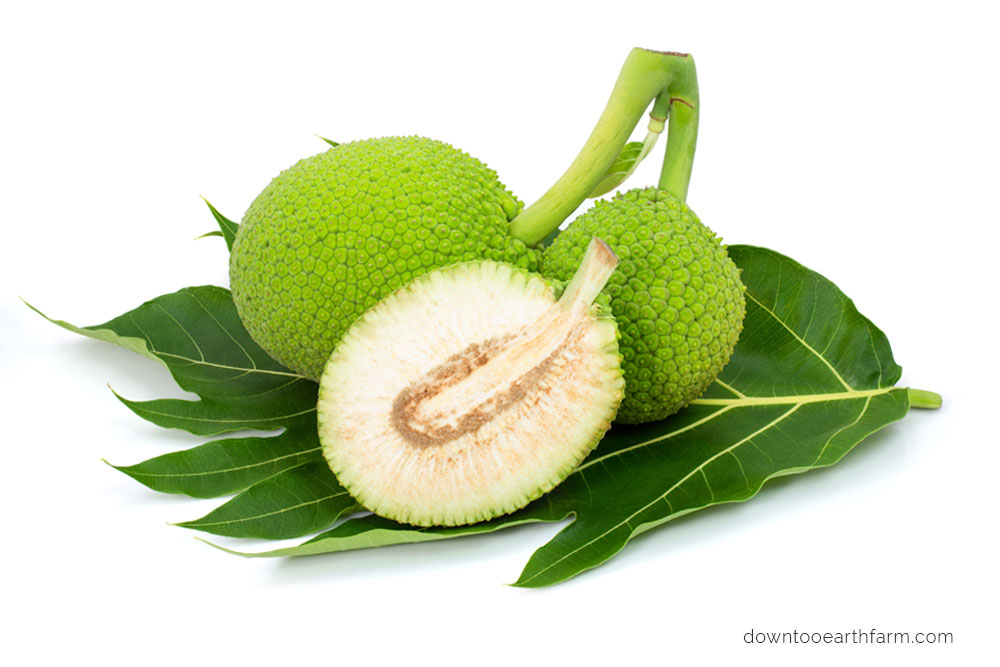
• Common Name: Breadfruit
• Scientific Name: Artocarpus altilis
• Plant Type: Fruit Tree
• Edible Parts: fruit (flesh and seeds) and leaves (as tea)
While breadfruit is primarily known as a staple food, it also possesses certain medicinal qualities that contribute to its holistic health benefits. The fruit is rich in essential nutrients and bioactive compounds that support overall well-being. Let’s explore these aspects in more detail.
1. Nutrient-Rich Profile: Breadfruit is a nutrient-dense fruit, containing significant amounts of dietary fiber, vitamins, and minerals. These nutritional elements contribute to various health benefits, including improved digestion, enhanced immunity, and overall vitality.
2. Antioxidant Properties: The fruit is known for its antioxidant content, which helps combat oxidative stress in the body. Antioxidants play a crucial role in neutralizing free radicals, thereby reducing the risk of chronic diseases and supporting cellular health.
3. Anti-Inflammatory Effects: Breadfruit contains compounds with anti-inflammatory properties. Regular consumption may help alleviate inflammation, contributing to the prevention of inflammatory conditions and supporting joint health.
1. Carbohydrates and Energy: Breadfruit is a good source of complex carbohydrates, providing a sustained release of energy. This makes it an excellent dietary choice for individuals needing a reliable energy source, such as athletes or those with active lifestyles.
2. Vitamins and Minerals: The fruit is rich in vitamins, including vitamin C, vitamin A, thiamine, and niacin. These vitamins play essential roles in immune function, vision, and energy metabolism. Breadfruit also contains minerals like potassium, magnesium, and calcium, contributing to cardiovascular health and bone strength.
3. Dietary Fiber: High in dietary fiber, breadfruit supports digestive health by promoting regular bowel movements and preventing constipation. Fiber also aids in weight management and helps regulate blood sugar levels.
1. Allergic Reactions: While breadfruit is generally well-tolerated, individuals with latex allergies should exercise caution. Some people with latex sensitivity may experience cross-reactivity with certain proteins in breadfruit, leading to allergic reactions.
2. Moderation in Consumption: Excessive consumption of breadfruit, like any food, may lead to digestive discomfort or bloating in some individuals. It’s advisable to incorporate breadfruit into a balanced diet and consume it in moderation.
3. Preparation and Cooking: Proper preparation is crucial to minimize potential side effects. Certain varieties of breadfruit may have a latex-like sap that can be irritating. Peeling, cooking, and processing the fruit adequately can help mitigate these effects.
Breadfruit offers a range of dietary benefits due to its rich composition of essential vitamins and minerals. Let’s explore how these nutrients contribute to the well-being of various body systems.
Breadfruit contains potassium, a vital mineral that plays a key role in regulating blood pressure. Adequate potassium intake helps maintain a healthy balance of sodium in the body, promoting optimal cardiovascular function. This can contribute to a reduced risk of hypertension and related heart issues.
Vitamin C: Breadfruit is a good source of vitamin C, a potent antioxidant. This vitamin is crucial for the proper functioning of the immune system, helping the body defend against infections and illnesses. Regular consumption of breadfruit can contribute to overall immune system health.
Vitamin A: Breadfruit contains beta-carotene, a precursor to vitamin A. Vitamin A is essential for maintaining healthy skin and vision. It supports the proper functioning of the eyes and helps prevent conditions like night blindness. Additionally, vitamin A promotes skin cell regeneration and contributes to a radiant complexion.
Phytochemicals: Breadfruit contains various phytochemicals, including flavonoids and other antioxidants, which contribute to its anti-inflammatory properties. These compounds may help reduce inflammation in the body, supporting joint health and overall well-being.
Thiamine (Vitamin B1) and Niacin (Vitamin B3): Breadfruit contains significant amounts of thiamine and niacin, which play essential roles in energy metabolism. These B-vitamins are involved in converting food into energy, supporting the efficient functioning of the nervous system and aiding in the release of energy from carbohydrates.
Calcium and Magnesium: Breadfruit provides essential minerals like calcium and magnesium, contributing to bone health. Calcium is crucial for maintaining bone density, while magnesium plays a role in bone structure and helps with the absorption of calcium. Including breadfruit in the diet can support overall skeletal health.
Dietary Fiber: High in dietary fiber, breadfruit supports digestive health by promoting regular bowel movements and preventing constipation. Fiber also aids in maintaining a healthy weight, as it provides a feeling of fullness and regulates blood sugar levels.
Potassium and Sodium: Breadfruit’s potassium content, in conjunction with a low sodium content, helps maintain proper electrolyte balance. This balance is crucial for nerve transmission, muscle contraction, and overall fluid balance in the body.
Breadfruit trees are classified as medium to large, reaching heights of 20 to 60 feet (6 to 18 meters). Their broad, dense canopy provides ample shade.
Breadfruit trees have a long life span, typically living for several decades. With proper care, they can thrive for 50 years or more.
Breadfruit trees thrive in full sunlight. Plant them in a location where they receive at least 6 to 8 hours of direct sunlight daily for optimal growth and fruit production.
These trees prefer well-draining soil with a slightly acidic to neutral pH. Sandy loam or loamy soil types are ideal. Ensure good aeration for the roots.
Breadfruit trees require regular watering, especially during dry periods. Keep the soil consistently moist but not waterlogged. Deep, infrequent watering is preferable over shallow, frequent watering.
The information provided here is intended for general knowledge and informational purposes only. It is not a substitute for professional medical advice, diagnosis, or treatment. Always seek the advice of your physician or other qualified health provider with any questions you may have regarding a medical condition. Never disregard professional medical advice or delay in seeking it because of information presented here.