
The guava tree (Psidium guajava) stands as a versatile and resilient emblem of tropical abundance. With its lush green foliage, fragrant white flowers, and delectable fruits, this evergreen species offers a wealth of benefits.
The guava tree (Psidium guajava) stands as a versatile and resilient emblem of tropical abundance. With its lush green foliage, fragrant white flowers, and delectable fruits, this evergreen species offers a wealth of benefits.
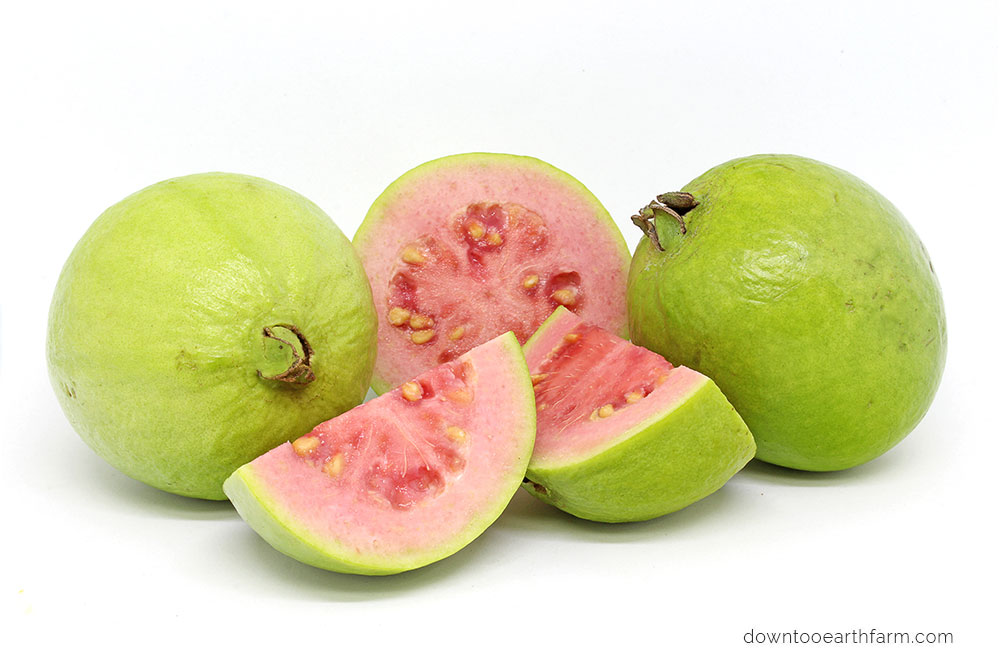
• Common Name: Guava
• Scientific Name: Psidium guajava
• Plant Type: Fruit Tree
• Edible Parts: fruit (consumed raw or cooked in various forms), leaves as teas, seeds for oil, wood for craft
Guava (Psidium guajava) is a fruit-bearing tree known for its sweet and fragrant tropical fruits. This evergreen plant is characterized by its oval-shaped leaves, white flowers, and greenish-yellow fruit with a distinctive fragrance.
Guava fruit (Psidium guajava) is not only a delicious tropical treat but also boasts various medicinal qualities that contribute to holistic health. The fruit is renowned for its high vitamin C content, offering a powerful antioxidant that supports immune function and helps combat oxidative stress in the body. Guava is also a rich source of dietary fiber, aiding in digestive health by promoting regular bowel movements and preventing constipation. The holistic health benefits of guava extend beyond its nutritional value. The fruit is associated with anti-inflammatory properties, potentially reducing inflammation in the body and supporting conditions such as arthritis. Guava’s antimicrobial and antibacterial qualities are linked to the presence of compounds like quercetin, which may help in combating infections and promoting overall well-being. Additionally, the fruit contains natural sugars that provide a quick energy boost, making it a healthier alternative to processed snacks. In traditional and folklore medicines, various parts of the guava tree, including the leaves and bark, have been utilized for their medicinal properties. Guava leaf tea, in particular, is popular in traditional medicine for its potential to lower blood sugar levels and manage diabetes. The leaves are also believed to have anti-diarrheal properties and may aid in treating gastrointestinal issues. In some cultures, guava leaves are applied topically to wounds to promote faster healing.
Guava’s medicinal qualities are attributed to its chemical composition. The fruit contains essential nutrients such as vitamins (C, A, B-complex), minerals (potassium, magnesium, copper), and bioactive compounds like flavonoids, tannins, and phenolic acids. These components contribute to the fruit’s antioxidant, anti-inflammatory, and antimicrobial activities, collectively enhancing its holistic functionality for health promotion.
While guava is generally safe for consumption, excessive intake may lead to certain side effects. The high fiber content could cause digestive discomfort, such as bloating or gas, if consumed in large quantities. Individuals with latex allergies should exercise caution, as some proteins in guava may trigger allergic reactions. Additionally, the fruit’s natural sugars could affect blood sugar levels, and individuals with diabetes should monitor their intake. As with any dietary changes, it is advisable to consult with a healthcare professional, especially for those with pre-existing medical conditions or concerns. Overall, when consumed in moderation, guava proves to be a flavorful and nutritious addition to a holistic approach to well-being.
Guava (Psidium guajava) is a nutritional powerhouse, offering a plethora of vitamins and minerals that contribute to overall well-being and support various body systems.
Guava is renowned for its exceptionally high vitamin C content, exceeding even that of citrus fruits. Vitamin C plays a crucial role in supporting the immune system by enhancing the production of white blood cells and antibodies. This antioxidant vitamin also helps combat free radicals, protecting cells from oxidative stress and contributing to a robust immune response.
Rich in vitamin A, guava promotes good vision and skin health. Vitamin A is essential for maintaining the integrity of the skin and mucous membranes, including those in the eyes. It also supports the immune system and is crucial for reproductive health.
Guava contains a variety of B-complex vitamins, including B1 (thiamine), B2 (riboflavin), B3 (niacin), B5 (pantothenic acid), and B6 (pyridoxine). These vitamins play key roles in energy metabolism, aiding in the conversion of food into usable energy. They also contribute to the health of the nervous system and help regulate hormones.
A good source of potassium, guava supports heart health by helping to regulate blood pressure. Potassium is an electrolyte that counterbalances the effects of sodium, promoting proper fluid balance in the body and supporting cardiovascular function.
Guava is a fiber-rich fruit, with both soluble and insoluble fibers. Dietary fiber promotes digestive health by adding bulk to the stool, preventing constipation, and supporting regular bowel movements. It also contributes to a feeling of fullness, aiding in weight management.
Guava contains essential minerals such as copper and magnesium. Copper is involved in the formation of red blood cells and connective tissues, while magnesium plays a role in various metabolic processes, including energy production and muscle function. The presence of antioxidants, including flavonoids and polyphenols, in guava provides cellular protection by neutralizing free radicals. These compounds help reduce inflammation and oxidative stress, contributing to the prevention of chronic diseases and the aging process.
Guava trees vary in size, with dwarf varieties suitable for smaller spaces and larger trees reaching up to 20 feet or more. Choose a size that fits your available space and cultivation preferences.
Guava trees typically have a long life span, ranging from 30 to 40 years or more. With proper care, they can provide a steady harvest of delicious fruits for many years.
Guavas thrive in full sunlight. Ensure your guava tree receives at least 6 to 8 hours of direct sunlight daily for optimal growth and fruit production.
Guavas prefer well-draining soil. A slightly acidic to neutral pH range (between 5.5 and 7.0) is ideal. Sandy loam or loamy soil types are well-suited for guava cultivation.
Guavas are drought-tolerant once established, but consistent watering is crucial during the growing season. Water deeply when the soil is dry to the touch, allowing the top inch of soil to dry out between watering sessions.
The information provided here is intended for general knowledge and informational purposes only. It is not a substitute for professional medical advice, diagnosis, or treatment. Always seek the advice of your physician or other qualified health provider with any questions you may have regarding a medical condition. Never disregard professional medical advice or delay in seeking it because of information presented here.