Walnut

The walnut tree (Juglans spp.) is a deciduous hardwood tree known for its impressive size, with some varieties reaching heights of 100 feet or more. Renowned for both its flavorful and nutritious nuts, the walnut tree’s longevity, providing shade, valuable timber, and a host of health benefits, makes it a multifaceted and enduring presence in various landscapes.
General Information

• Common Name: Walnut

• Scientific Name: Juglans spp. (various species)

• Plant Type: Fruit Tree (botanically) Nut Tree (by definition)

• Edible Parts: Edible seeds (kernels), often found in a hard shell

These deciduous trees are prized not only for their delicious nuts but also for the high-quality wood they yield. Walnuts are cultivated for various purposes, from culinary uses – where their kernels add a distinct flavor to dishes – to the production of walnut oil, known for its nutritional value.

Medicinal Qualities

Holistic Health Benefits

Walnuts, beyond their delightful taste, boast a range of medicinal qualities that contribute to holistic health. Rich in antioxidants, particularly polyphenols and vitamin E, walnuts play a crucial role in neutralizing free radicals in the body, thereby aiding in the prevention of chronic diseases and supporting overall well-being. Additionally, these nuts are a notable source of omega-3 fatty acids, particularly alpha-linolenic acid (ALA), which is associated with heart health and may have anti-inflammatory effects. The holistic health benefits of walnuts extend to cardiovascular support, as studies suggest that regular consumption may help reduce cholesterol levels and improve blood vessel function. The omega-3 fatty acids contribute to cognitive health, potentially reducing the risk of age-related cognitive decline. Furthermore, walnuts are associated with weight management due to their satiating properties, making them a valuable addition to a balanced diet. Folk remedies often highlight the nut’s potential to alleviate digestive issues, with some cultures using walnut extracts for their antiparasitic properties. Furthermore, traditional medicine systems have explored the use of walnuts for skin conditions, such as eczema, attributing its fatty acids and antioxidants to potential skin-healing properties.

Chemical Properties and Holistic Functionality

The chemical properties of walnuts reveal a nutritional profile that contributes to their holistic functionality. Beyond omega-3 fatty acids, they contain essential nutrients such as magnesium, phosphorus, copper, and manganese. These minerals play vital roles in bone health, enzyme function, and overall metabolic processes. The synergistic combination of these nutrients makes walnuts a nutrient-dense food, supporting various aspects of physiological well-being.

Potential Side Effects and Cautions

While walnuts offer numerous health benefits, it’s essential to be mindful of potential side effects and precautions. Some individuals may be allergic to tree nuts, including walnuts, leading to allergic reactions. Additionally, the high-fat content of walnuts means they are calorie-dense, so moderation is key, especially for those managing weight. The oxalates present in walnuts could be a concern for individuals prone to kidney stones. As with any food, incorporating walnuts into a balanced diet and consulting with a healthcare professional is advisable, especially for those with specific health conditions or concerns.

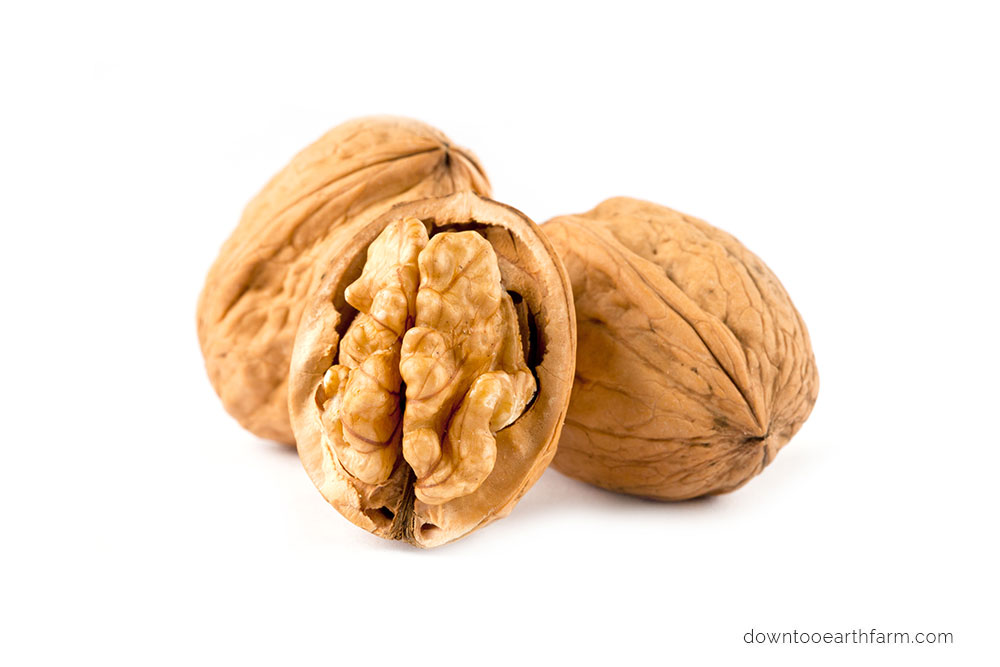
Walnut inner seed is consumable.

Walnuts have a distinctive flavor that is rich, slightly bitter, and earthy. The taste is often described as nutty and somewhat buttery. Whether used in salads, baked goods, or simply enjoyed on their own as a snack, the taste of walnuts is a characteristic blend of nuttiness and mild bitterness.

Dietary Benefits

Walnuts are a nutritional powerhouse, offering a range of health benefits due to their rich composition of essential vitamins, minerals, and other bioactive compounds.

Cardiovascular Health

Walnuts are renowned for their positive impact on cardiovascular health. The omega-3 fatty acids, specifically alpha-linolenic acid (ALA), present in walnuts have been linked to a reduction in LDL (low-density lipoprotein) cholesterol levels. Additionally, the presence of antioxidants, such as vitamin E and polyphenols, helps combat oxidative stress, potentially reducing the risk of heart disease.

Brain Function and Cognitive Health

The omega-3 fatty acids in walnuts contribute to brain health and cognitive function. These fatty acids are vital components of cell membranes in the brain and may support cognitive processes. The presence of antioxidants also plays a role in protecting the brain from oxidative damage.

Bone Health

Walnuts contain essential minerals like copper and manganese, which play a role in maintaining bone health. Copper is involved in the formation of collagen, a key component of bones and connective tissues, while manganese contributes to bone development and mineralization.

Metabolic Function

Walnuts provide a variety of nutrients, including magnesium and phosphorus, which are crucial for metabolic processes in the body. Magnesium is involved in energy production and the regulation of blood sugar levels, while phosphorus is a key component of DNA and RNA, important for cellular function.

Antioxidant Support

The antioxidants found in walnuts, including vitamin E and polyphenols, help neutralize free radicals in the body. This antioxidant activity may contribute to overall health and well-being by reducing the risk of chronic diseases and supporting the immune system.

Weight Management

Despite being calorie-dense, walnuts can be beneficial for weight management. The combination of protein, fiber, and healthy fats in walnuts contributes to a feeling of fullness and satiety, potentially reducing overall calorie intake and aiding in weight control. Incorporating walnuts into a balanced diet can contribute to the overall well-being of various body systems, offering a diverse range of essential nutrients and bioactive compounds. As with any food, moderation is key, and walnuts can be a flavorful and nutritious addition to a healthy eating plan.

Growing Guide

Walnut trees belong to the large tree category, classified as deciduous and can reach impressive heights. Depending on the specific variety, mature trees typically stand between 30 to 100 feet tall.

Walnut trees have a long life span, often living for several decades. With proper care, they can thrive and produce walnuts for 50 years or more.

Walnut trees thrive in full sun. Ensure they receive at least 6 to 8 hours of direct sunlight daily to support healthy growth and robust nut production.

Walnuts prefer well-draining soil. While they are adaptable, a slightly acidic to neutral soil pH (around 6.0 to 7.5) is ideal. Sandy loam or loamy soil types work well for walnut trees.

Provide consistent watering, especially during dry periods. While walnut trees are moderately drought-tolerant once established, regular watering is crucial during their early years to encourage deep root development.

  • Prune young walnut trees to establish a strong scaffold structure. As they mature, focus on removing dead or diseased branches and maintaining an open canopy to enhance sunlight penetration.
  • Apply a balanced fertilizer in spring to support healthy growth. Consider a fertilizer with a higher ratio of nitrogen for young trees and a balanced formulation for mature ones.
  • Harvest mature walnuts in late summer or early fall when the outer hulls split open, revealing the nuts inside. Allow nuts to dry for a few weeks before cracking them open for consumption.
  • Monitor for pests like aphids and caterpillars. Utilize organic or chemical control methods as needed, ensuring the health of both the tree and the harvested nuts.

Category

What's Available

Our Location

The information provided here is intended for general knowledge and informational purposes only. It is not a substitute for professional medical advice, diagnosis, or treatment. Always seek the advice of your physician or other qualified health provider with any questions you may have regarding a medical condition. Never disregard professional medical advice or delay in seeking it because of information presented here.

Fostering connections – between people, nature, and culture

Farm

Fresh Produce

Plant Nursery

Jar Produces

Wholesale Vendors

Events

Private Bookings

Corporate Events

Children's Parties

Photoshoots/ Weddings

Tours

Full Farm Tour

Half day Tour

School Group Tour

Adult Group Tour

Q&A

About Us

FAQs

Contact Us

Terms & Conditions

© 2023 Down too Earth Adventure Farms  |  All rights reserved.
Powered by High Point Agency