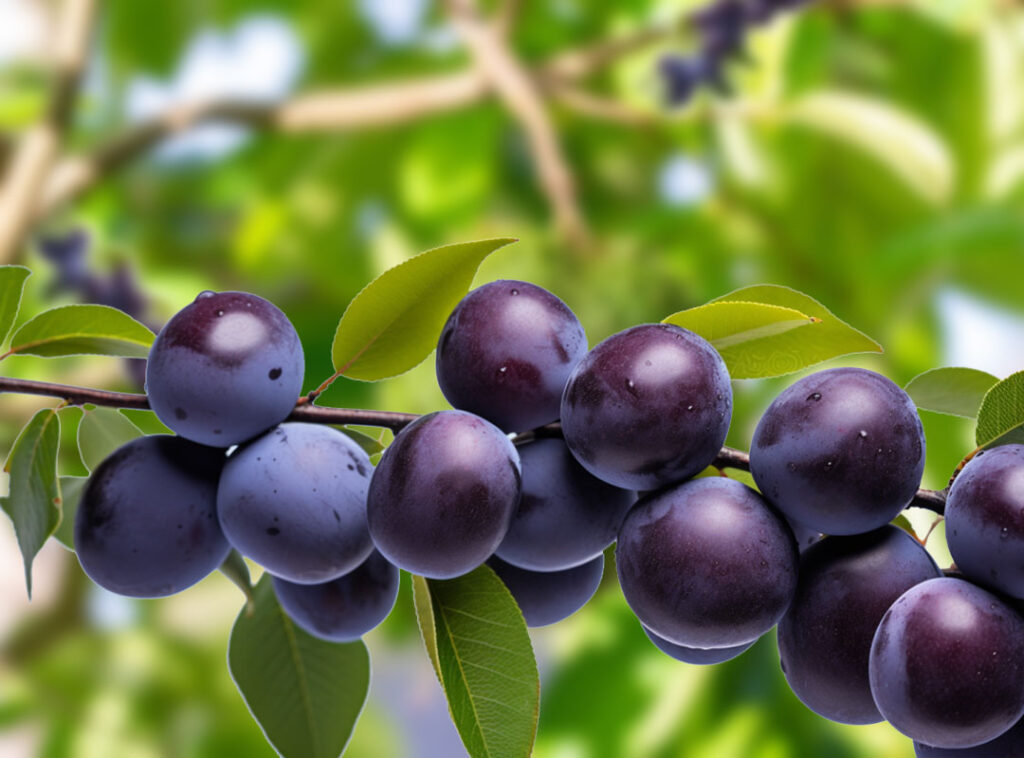

Red Fig

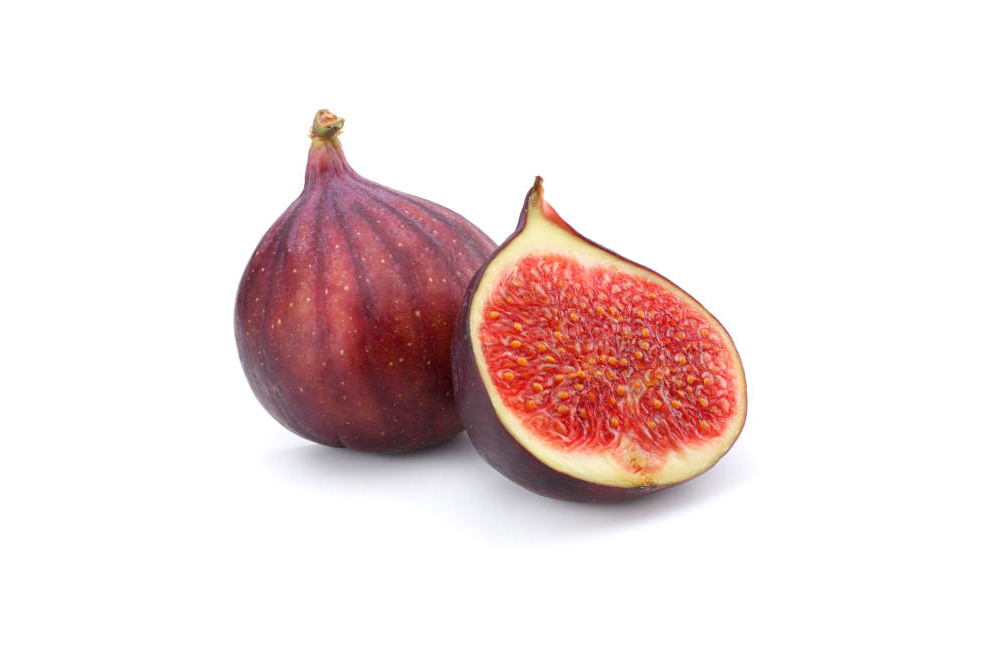
The Ficus carica, commonly known as the Red Fig, is a deciduous tree or shrub appreciated for its unique and flavorful fruits. The plant produces succulent figs that are not only delicious but also packed with nutrients. These fruits, often varying in shades of red, boast a sweet and honey-like taste. Red figs are not only enjoyed fresh but are also used in various culinary applications, such as jams, desserts, and salads. Beyond their culinary allure, Ficus carica has been cultivated for centuries and holds cultural significance in many regions.
General Information

• Common Name: Red Fig

• Scientific Name: Ficus carica

• Plant Type: Deciduous Tree/Shrub

• Edible Parts: fruit (consumed in various forms)

The Red Fig, scientifically known as Ficus carica, goes beyond its delightful taste and serves as a source of medicinal qualities with holistic health benefits. These fruits are rich in essential nutrients, contributing to their therapeutic properties. Figs are known to be a good source of dietary fiber, which aids in digestion and helps maintain a healthy digestive system. The high fiber content also contributes to regulating blood sugar levels, making them a potential asset for individuals with diabetes. Moreover, figs contain various vitamins and minerals, including potassium, magnesium, vitamin K, and B vitamins, which play crucial roles in maintaining overall health.

Medicinal Qualities

Holistic Health Benefits

The chemical properties of the Red Fig further enhance its holistic functionality. Figs are known for their natural sugars, predominantly in the form of fructose, providing a sweet taste without the need for added sugars. Additionally, figs contain phytochemicals such as flavonoids and polyphenols, which exhibit antioxidant properties. These antioxidants help neutralize free radicals in the body, potentially reducing the risk of chronic diseases and promoting overall well-being.

Chemical Properties and Holistic Functionality

Holistic functionality extends to the potential medicinal benefits of key nutrients found in Red Figs. For example, potassium helps regulate blood pressure and supports cardiovascular health. The presence of fiber aids in weight management by promoting satiety and regulating appetite. Moreover, vitamin K contributes to bone health and blood clotting, enhancing the overall nutritional profile of these fruits.

Potential Side Effects and Cautions

Despite the numerous health benefits, it’s important to consider potential side effects and exercise caution. Figs contain a natural latex, which may cause allergic reactions in some individuals. Excessive consumption of figs may also lead to digestive issues such as diarrhea or stomach upset due to their high fiber content. Individuals with pre-existing allergies or digestive concerns should approach fig consumption with care.

Red Fig Fruits are consumable.

Fruits can be eaten raw, dried, cooked, baked, in jams or preserves. The fruit has a sweet and luscious taste.

Dietary Benefits

The Red Fig, scientifically known as Ficus carica, offers a plethora of dietary benefits, enriched with vitamins and minerals that positively impact various body systems.

Cardiovascular Health

Red Figs are an excellent source of potassium, a mineral crucial for maintaining cardiovascular health. Potassium helps regulate blood pressure by counteracting the effects of sodium, promoting proper dilation of blood vessels, and reducing strain on the heart. This contributes to a lower risk of hypertension and cardiovascular diseases.

Bone Health

Vitamin K, found in Red Figs, plays a vital role in bone health. It is essential for proper calcium absorption and bone mineralization. Adequate vitamin K intake supports bone density and reduces the risk of fractures and osteoporosis.

Digestive Wellness

The high dietary fiber content in Red Figs aids in digestive wellness. Fiber promotes regular bowel movements, prevents constipation, and supports a healthy gut microbiome. Additionally, fiber contributes to maintaining stable blood sugar levels, making figs a beneficial addition for individuals managing diabetes.

Antioxidant Defense

Red Figs contain a variety of antioxidants, including flavonoids and polyphenols. These compounds help neutralize free radicals in the body, reducing oxidative stress and inflammation. Antioxidants play a crucial role in supporting overall cellular health and may contribute to a lower risk of chronic diseases.

Metabolism and Energy

B-vitamins, such as B6 (pyridoxine), found in Red Figs, are essential for energy metabolism. Pyridoxine is involved in the synthesis of neurotransmitters and hemoglobin, contributing to overall cognitive function and oxygen transport in the blood.

Immune Support

Vitamins A and C, present in Red Figs, contribute to immune system support. Vitamin A is essential for maintaining the integrity of mucosal surfaces, such as the respiratory and digestive tracts, acting as a first line of defense against pathogens. Vitamin C enhances immune function and aids in collagen synthesis, promoting skin health.

Growing Guide

Red Fig trees are typically classified as medium-sized deciduous trees, with mature heights ranging from 10 to 30 feet. Consider the available space and prune accordingly for optimal growth and fruit production.

Red Fig trees have a long life span, often exceeding 50 years when provided with proper care. Patience is key, as the trees may take a few years to reach full fruit-bearing maturity.

Plant Red Fig trees in full sunlight for at least 6-8 hours a day. Ensure they receive adequate sunlight to promote healthy growth and abundant fruit production.

Red Figs thrive in well-draining soil with a slightly acidic to neutral pH. Sandy loam or loamy soil types are ideal. Adding organic matter, such as compost, improves soil fertility and structure.

Provide consistent and deep watering, especially during dry spells. Keep the soil consistently moist but not waterlogged. Use mulch around the base to retain soil moisture and regulate temperature.

Category

What's Available

Our Location

The information provided here is intended for general knowledge and informational purposes only. It is not a substitute for professional medical advice, diagnosis, or treatment. Always seek the advice of your physician or other qualified health provider with any questions you may have regarding a medical condition. Never disregard professional medical advice or delay in seeking it because of information presented here.

Fostering connections – between people, nature, and culture

Farm

Fresh Produce

Plant Nursery

Jar Produces

Wholesale Vendors

Events

Private Bookings

Corporate Events

Children's Parties

Photoshoots/ Weddings

Tours

Full Farm Tour

Half day Tour

School Group Tour

Adult Group Tour

Q&A

About Us

FAQs

Contact Us

Terms & Conditions

© 2023 Down too Earth Adventure Farms  |  All rights reserved.
Powered by High Point Agency