

Calabash

The Calabash tree, scientifically known as Crescentia cujete, is a distinctive and culturally significant tree renowned for its unique gourd-like fruits. Commonly referred to as the Calabash or Bottle gourd tree, this evergreen tree produces large, spherical fruits with hard, woody shells. The fruit pulp and seeds are edible, offering a nutritious and versatile resource. Notably, the dried and hollowed shells of the Calabash fruit have been traditionally utilized as natural containers or vessels, showcasing its practical use in various cultures.
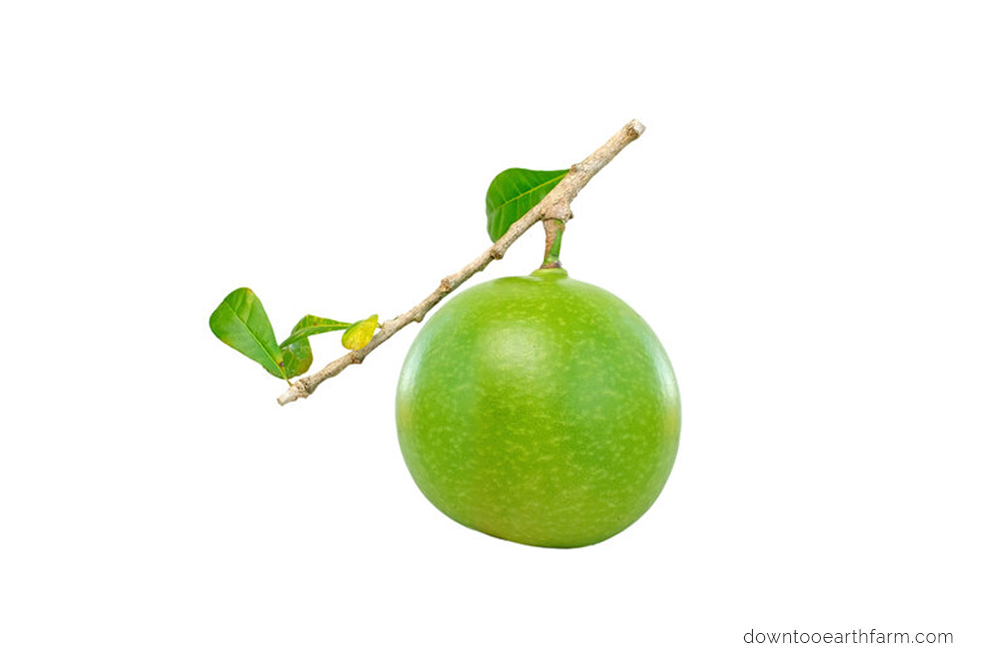
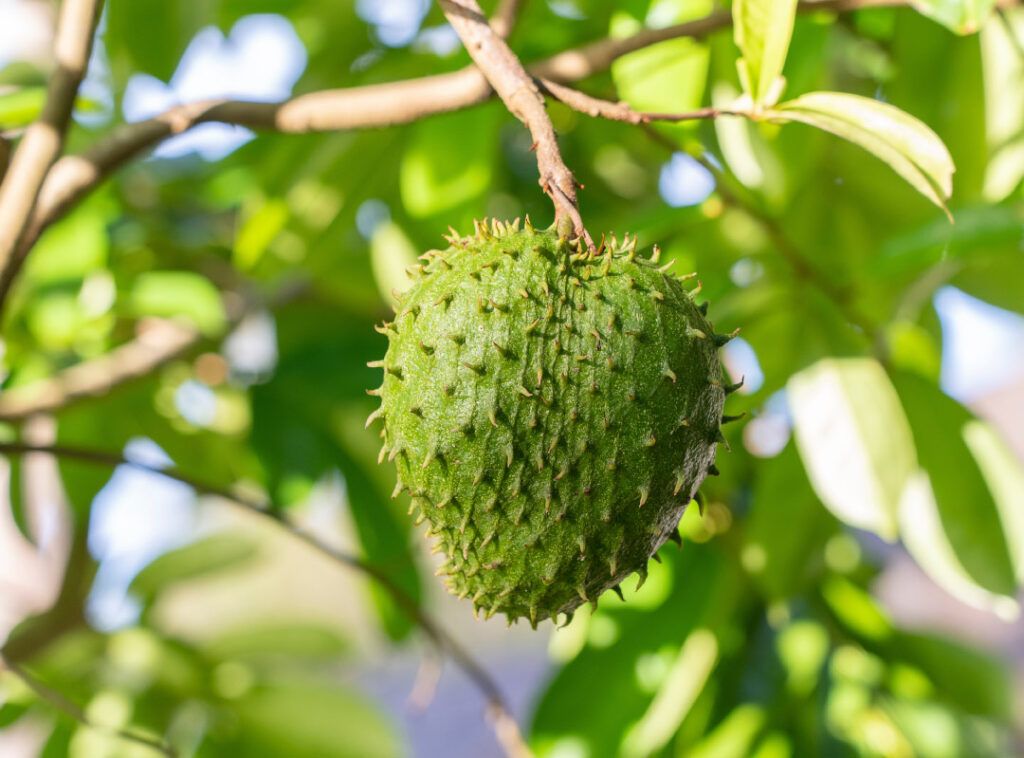
General Information

• Common Name: Calabash tree, Bottle gourd tree, Gourd tree

• Scientific Name:  Crescentia cujete

• Plant Type: Evergreen tree

• Edible Parts: fruit (consumed in various forms) and seeds (roasted or ground)

The Calabash tree, scientifically known as Crescentia cujete, is a distinctive and culturally significant tree renowned for its unique gourd-like fruits. Commonly referred to as the Calabash or Bottle gourd tree, this evergreen tree produces large, spherical fruits with hard, woody shells. The fruit pulp and seeds are edible, offering a nutritious and versatile resource. Notably, the dried and hollowed shells of the Calabash fruit have been traditionally utilized as natural containers or vessels, showcasing its practical use in various cultures.
Medicinal Qualities

Holistic Health Benefits

The Calabash tree, Crescentia cujete, exhibits not only culinary versatility but also possesses medicinal qualities that have been acknowledged in various traditional practices. The fruit, known for its holistic health benefits, is a rich source of essential nutrients. The pulp of the Calabash fruit contains vital vitamins, such as vitamin C, and minerals, including potassium, which contribute to overall well-being. Additionally, the seeds are known to contain beneficial compounds like antioxidants and fatty acids, providing potential cardiovascular and anti-inflammatory benefits.

The chemical properties of the Calabash fruit contribute to its medicinal appeal. The presence of bioactive compounds, such as phenolic compounds and flavonoids, contributes to its antioxidant properties, helping combat oxidative stress in the body. These antioxidants play a crucial role in promoting cellular health and reducing the risk of chronic diseases.

Chemical Properties and Holistic Functionality

Holistic functionality of key nutrients in the Calabash fruit extends to immune support, skin health, and digestive wellness. Vitamin C enhances the immune system, aiding in the body’s defense against infections, while potassium supports heart health by regulating blood pressure. The antioxidants and fatty acids in the seeds may contribute to skin health and exhibit anti-inflammatory effects, promoting a holistic approach to well-being.

Potential Side Effects and Cautions

Despite the potential health benefits, it is essential to be aware of potential side effects and cautions associated with the Calabash tree. Excessive consumption of the fruit or its derivatives may lead to adverse effects, especially for individuals with specific allergies or sensitivities. Furthermore, individuals on medication or with pre-existing health conditions should exercise caution and consult with a healthcare professional before incorporating Calabash tree products into their diet.

Calabash fruit pulp and seeds areconsumable.

The fleshy pulp of the Calabash fruit is typically consumed raw. The seeds of the Calabash can be roasted, ground, or used in various dishes.

Dietary Benefits

The Calabash fruit, derived from the Calabash tree (Crescentia cujete), offers a range of dietary benefits due to its rich content of vitamins and minerals. Here’s an exploration of how these nutrients contribute to the well-being of various body systems:

Rich in Vitamin C for Immune Support

The Calabash fruit is a good source of vitamin C, a powerful antioxidant that plays a crucial role in supporting the immune system. Vitamin C helps stimulate the production of white blood cells, enhances the body’s ability to fight infections, and contributes to overall immune health.

Potassium for Cardiovascular Health

Calabash fruit contains potassium, an essential mineral that plays a key role in maintaining cardiovascular health. Potassium helps regulate blood pressure by balancing sodium levels, promoting proper heart function, and reducing the risk of hypertension.

Fiber for Digestive Wellness

The fruit is a good source of dietary fiber, which aids in digestion and promotes digestive wellness. Fiber adds bulk to the stool, preventing constipation, and supports a healthy digestive system. It also contributes to a feeling of fullness, which may assist in weight management.

Antioxidants for Cellular Health

The Calabash fruit is rich in antioxidants, including phenolic compounds and flavonoids. These antioxidants help neutralize harmful free radicals in the body, protecting cells from oxidative stress. This can contribute to overall cellular health and may reduce the risk of chronic diseases.

Vitamins A and E for Skin Health

The presence of vitamins A and E in Calabash fruit contributes to skin health. Vitamin A supports skin cell regeneration and maintenance, while vitamin E acts as an antioxidant, protecting the skin from damage caused by free radicals.

Folate for Cellular Division

Calabash fruit contains folate (vitamin B9), which is essential for DNA synthesis and cellular division. Adequate folate intake is particularly crucial during pregnancy to support the development of the fetal neural tube.

Growing Guide

Calabash trees are typically small to medium-sized, ranging from 10 to 30 feet in height. Considered a compact tree, it is well-suited for both small gardens and larger landscapes.

The Calabash tree has a relatively long life span, often living for several decades when provided with proper care. With suitable conditions, it can thrive for 50 years or more.

Plant your Calabash tree in a location that receives full to partial sunlight. These trees prefer at least 6 hours of direct sunlight daily for optimal growth and fruit production.


Calabash trees thrive in well-draining soil with a slightly acidic to neutral pH. Sandy loam or loamy soil is ideal. Ensure good aeration to promote healthy root development.

Provide consistent moisture, especially during the growing season. Water the tree regularly, allowing the soil to dry slightly between waterings. Avoid waterlogged conditions, as Calabash trees are susceptible to root rot.

Category

What's Available

Our Location

The information provided here is intended for general knowledge and informational purposes only. It is not a substitute for professional medical advice, diagnosis, or treatment. Always seek the advice of your physician or other qualified health provider with any questions you may have regarding a medical condition. Never disregard professional medical advice or delay in seeking it because of information presented here.

Fostering connections – between people, nature, and culture

Farm

Fresh Produce

Plant Nursery

Jar Produces

Wholesale Vendors

Events

Private Bookings

Corporate Events

Children's Parties

Photoshoots/ Weddings

Tours

Full Farm Tour

Half day Tour

School Group Tour

Adult Group Tour

Q&A

About Us

FAQs

Contact Us

Terms & Conditions

© 2023 Down too Earth Adventure Farms  |  All rights reserved.
Powered by High Point Agency