Author: Down too Earth Farmers

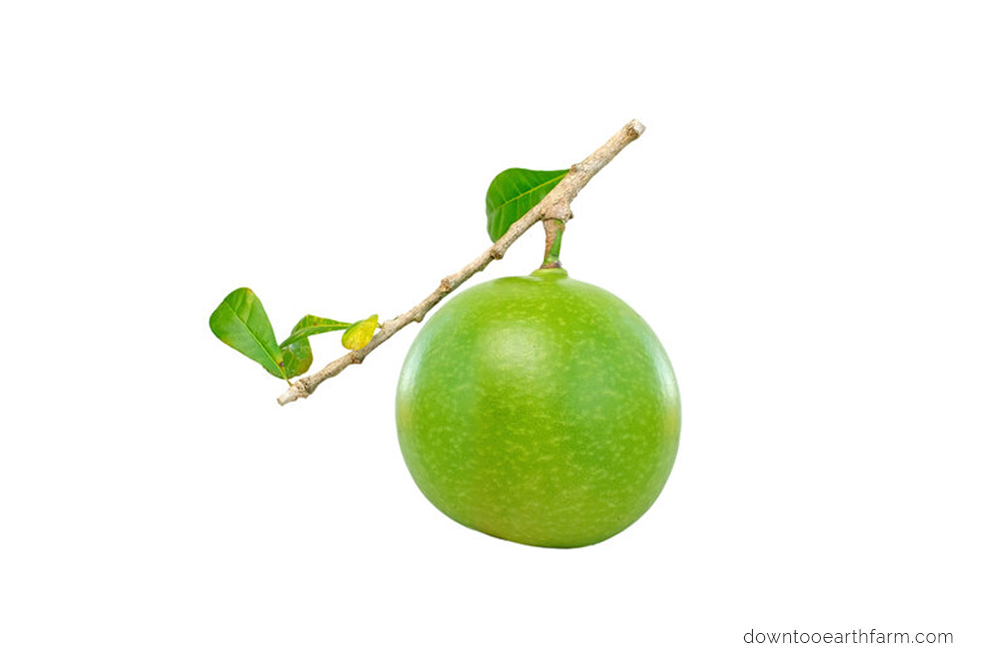
  • Calabash

    Calabash

    General Information

    • Common Name: Calabash tree, Bottle gourd tree, Gourd tree

    • Scientific Name:  Crescentia cujete

    • Plant Type: Evergreen tree

    • Edible Parts: fruit (consumed in various forms) and seeds (roasted or ground)

    The Calabash tree, scientifically known as Crescentia cujete, is a distinctive and culturally significant tree renowned for its unique gourd-like fruits. Commonly referred to as the Calabash or Bottle gourd tree, this evergreen tree produces large, spherical fruits with hard, woody shells. The fruit pulp and seeds are edible, offering a nutritious and versatile resource. Notably, the dried and hollowed shells of the Calabash fruit have been traditionally utilized as natural containers or vessels, showcasing its practical use in various cultures.

    Medicinal Qualities

    Holistic Health Benefits

    The Calabash tree, Crescentia cujete, exhibits not only culinary versatility but also possesses medicinal qualities that have been acknowledged in various traditional practices. The fruit, known for its holistic health benefits, is a rich source of essential nutrients. The pulp of the Calabash fruit contains vital vitamins, such as vitamin C, and minerals, including potassium, which contribute to overall well-being. Additionally, the seeds are known to contain beneficial compounds like antioxidants and fatty acids, providing potential cardiovascular and anti-inflammatory benefits.

    The chemical properties of the Calabash fruit contribute to its medicinal appeal. The presence of bioactive compounds, such as phenolic compounds and flavonoids, contributes to its antioxidant properties, helping combat oxidative stress in the body. These antioxidants play a crucial role in promoting cellular health and reducing the risk of chronic diseases.

    Chemical Properties and Holistic Functionality

    Holistic functionality of key nutrients in the Calabash fruit extends to immune support, skin health, and digestive wellness. Vitamin C enhances the immune system, aiding in the body’s defense against infections, while potassium supports heart health by regulating blood pressure. The antioxidants and fatty acids in the seeds may contribute to skin health and exhibit anti-inflammatory effects, promoting a holistic approach to well-being.

    Potential Side Effects and Cautions

    Despite the potential health benefits, it is essential to be aware of potential side effects and cautions associated with the Calabash tree. Excessive consumption of the fruit or its derivatives may lead to adverse effects, especially for individuals with specific allergies or sensitivities. Furthermore, individuals on medication or with pre-existing health conditions should exercise caution and consult with a healthcare professional before incorporating Calabash tree products into their diet.

    Calabash fruit pulp and seeds areconsumable.

    The fleshy pulp of the Calabash fruit is typically consumed raw. The seeds of the Calabash can be roasted, ground, or used in various dishes.

    Dietary Benefits

    The Calabash fruit, derived from the Calabash tree (Crescentia cujete), offers a range of dietary benefits due to its rich content of vitamins and minerals. Here’s an exploration of how these nutrients contribute to the well-being of various body systems:

    Rich in Vitamin C for Immune Support

    The Calabash fruit is a good source of vitamin C, a powerful antioxidant that plays a crucial role in supporting the immune system. Vitamin C helps stimulate the production of white blood cells, enhances the body’s ability to fight infections, and contributes to overall immune health.

    Potassium for Cardiovascular Health

    Calabash fruit contains potassium, an essential mineral that plays a key role in maintaining cardiovascular health. Potassium helps regulate blood pressure by balancing sodium levels, promoting proper heart function, and reducing the risk of hypertension.

    Fiber for Digestive Wellness

    The fruit is a good source of dietary fiber, which aids in digestion and promotes digestive wellness. Fiber adds bulk to the stool, preventing constipation, and supports a healthy digestive system. It also contributes to a feeling of fullness, which may assist in weight management.

    Antioxidants for Cellular Health

    The Calabash fruit is rich in antioxidants, including phenolic compounds and flavonoids. These antioxidants help neutralize harmful free radicals in the body, protecting cells from oxidative stress. This can contribute to overall cellular health and may reduce the risk of chronic diseases.

    Vitamins A and E for Skin Health

    The presence of vitamins A and E in Calabash fruit contributes to skin health. Vitamin A supports skin cell regeneration and maintenance, while vitamin E acts as an antioxidant, protecting the skin from damage caused by free radicals.

    Folate for Cellular Division

    Calabash fruit contains folate (vitamin B9), which is essential for DNA synthesis and cellular division. Adequate folate intake is particularly crucial during pregnancy to support the development of the fetal neural tube.

    Growing Guide

    Calabash trees are typically small to medium-sized, ranging from 10 to 30 feet in height. Considered a compact tree, it is well-suited for both small gardens and larger landscapes.

    The Calabash tree has a relatively long life span, often living for several decades when provided with proper care. With suitable conditions, it can thrive for 50 years or more.

    Plant your Calabash tree in a location that receives full to partial sunlight. These trees prefer at least 6 hours of direct sunlight daily for optimal growth and fruit production.


    Calabash trees thrive in well-draining soil with a slightly acidic to neutral pH. Sandy loam or loamy soil is ideal. Ensure good aeration to promote healthy root development.

    Provide consistent moisture, especially during the growing season. Water the tree regularly, allowing the soil to dry slightly between waterings. Avoid waterlogged conditions, as Calabash trees are susceptible to root rot.
  • Ju Ju

    Ju Ju

    General Information

    • Common Name: Jujube, Juju

    • Scientific Name: Ziziphus zizyphus

    • Plant Type:  Deciduous shrub or small tree

    • Edible Parts: fruit (consumed in various forms)

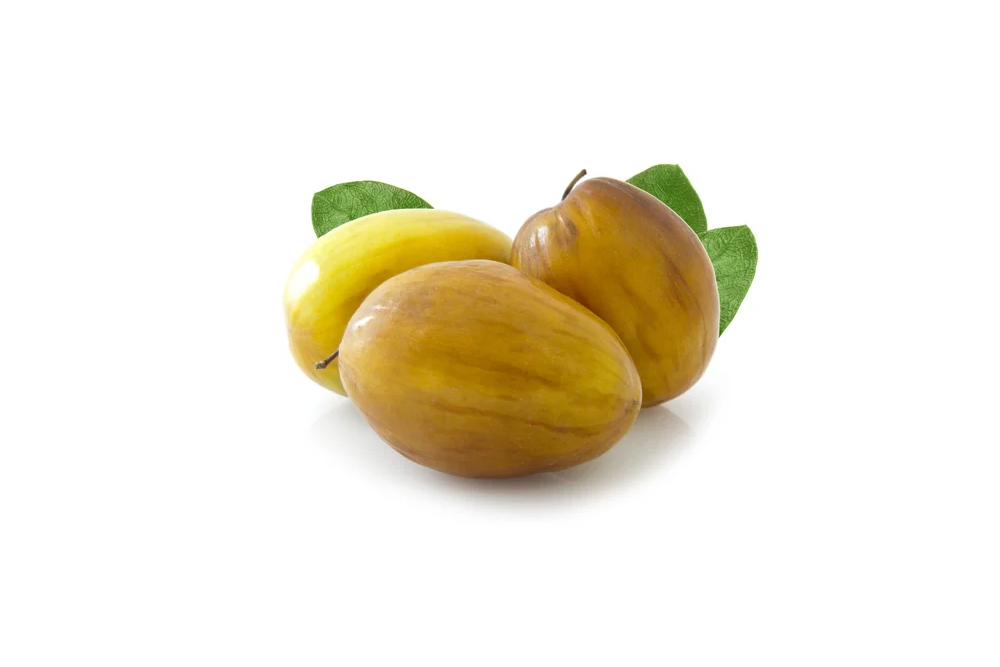
    The Ju ju or Jujube (Ziziphus zizyphus) is a deciduous shrub or small tree known for its small, reddish-brown fruits, commonly referred to as Jujubes. These fruits are not only sweet and flavorful but also boast a range of health benefits, containing essential vitamins and minerals. The Jujube plant has been cultivated for centuries in various parts of the world and is appreciated not only for its edible fruits but also for its adaptability to diverse climates. Apart from its culinary uses, the Jujube has significance in traditional medicine and is celebrated for its potential health-promoting properties. Additionally, the Jujube tree holds cultural importance in some regions and has found its place in folklore and traditions. Overall, the Jujube stands out as a versatile and noteworthy plant, contributing both to culinary delights and cultural richness.

    Medicinal Qualities

    Holistic Health Benefits

    The Ju ju or Jujube (Ziziphus zizyphus) fruit is not only appreciated for its delightful taste but also for its medicinal qualities, contributing to holistic health benefits. Rich in essential nutrients, Jujubes have been traditionally used in various cultures for their potential therapeutic properties. These small fruits are a great source of vitamins, particularly vitamin C, which plays a crucial role in immune system support and antioxidant defense against free radicals. Moreover, Jujubes contain minerals like potassium, magnesium, and iron, promoting overall well-being.

    Chemically, Jujubes harbor bioactive compounds such as flavonoids, saponins, and polysaccharides, which have been associated with anti-inflammatory and antioxidant effects. These compounds may contribute to reducing oxidative stress and inflammation in the body, potentially preventing chronic diseases. Additionally, the high fiber content in Jujubes supports digestive health by aiding in regular bowel movements and promoting a healthy gut microbiome.

    Chemical Properties and Holistic Functionality

    Holistically, the nutrients in Jujubes are believed to have a positive impact on various aspects of well-being, including stress reduction and improved sleep quality. Some cultures also consider Jujubes to have a calming effect on the nervous system, making them a popular choice for addressing insomnia and anxiety.

    Potential Side Effects and Cautions

    While Ju ju offer numerous health benefits, it’s essential to be aware of potential side effects and exercise caution. Consuming excessive amounts of Jujube fruits may lead to digestive issues such as diarrhea or abdominal discomfort due to their high fiber content. Additionally, individuals with pre-existing medical conditions or those taking specific medications should consult with a healthcare professional before incorporating Jujubes into their diet, as they may interact with certain medications.

    Ju ju Fruits are consumable.

    Fruits can be eaten fresh, dried, in various products, such as jujube paste, jujube tea, or jujube jams. Also as extracts for natural flavorings in food. The fruit has a sweet yet tangy taste.

    Dietary Benefits

    Vitamins and Minerals in Jujube (Ziziphus zizyphus) and Their Dietary Benefits:

    Loaded with Essential Minerals

    Jujubes contain potassium, a mineral essential for maintaining electrolyte balance and proper hydration. Potassium supports heart health by helping to regulate blood pressure and counteracting the negative effects of sodium.

    Magnesium, present in Jujube fruits, is crucial for various physiological functions, including muscle and nerve function, bone health, and energy metabolism. Adequate magnesium intake supports cardiovascular health and may contribute to stress reduction.

    Iron is important for the formation of red blood cells and oxygen transport throughout the body. Jujubes provide a source of non-heme iron, which is particularly beneficial for individuals following a plant-based diet. Jujubes contain trace amounts of zinc, contributing to immune function, wound healing, and DNA synthesis.

    Zinc is an essential mineral that plays a role in various enzymatic reactions within the body. While not as high as in dairy products, Jujubes provide a small amount of calcium, supporting bone health and muscle function. Adequate calcium intake is vital for maintaining strong bones and teeth.

    Rich in Vitamin C for Immune Support

    Jujubes are rich in vitamin C, a powerful antioxidant that supports the immune system. This vitamin plays a crucial role in collagen synthesis, contributing to skin health and wound healing. Additionally, vitamin C helps the body absorb iron, promoting overall well-being.

    Dietary Fiber for Digestive Health

    Jujubes are a good source of dietary fiber, promoting digestive health by preventing constipation and supporting a healthy gut microbiome. Adequate fiber intake is associated with a reduced risk of various digestive disorders and contributes to satiety.

    Harmony of B-Complex Vitamins

    Jujubes contain B-complex vitamins, including riboflavin (B2), niacin (B3), and pyridoxine (B6). These vitamins play roles in energy metabolism, nervous system function, and the synthesis of neurotransmitters, supporting overall vitality.

    Growing Guide

    Jujube plants come in varying sizes, from compact shrubs to small trees, typically reaching heights between 10 to 30 feet depending on the variety.

    Jujube trees have a long life span, often living for several decades with proper care. They can be productive for many years, providing a consistent harvest.

    Jujubes thrive in full sunlight. Plant them in a location where they receive at least 6-8 hours of direct sunlight daily for optimal growth and fruit production.

    Well-draining soil is essential for jujube cultivation. They tolerate a wide range of soil types, including sandy or loamy soils, but prefer slightly acidic to neutral pH levels.

    Jujubes are drought-tolerant once established, but regular watering is crucial during the growing season, especially during dry spells. Water deeply, allowing the soil to dry between waterings to prevent waterlogged conditions.

  • Chinese Apple

    Chinese Apple

    General Information

    • Common Name: Chinese Apple, Indian Jujube

    • Scientific Name:  Ziziphus mauritiana

    • Plant Type: Deciduous shrub or small tree

    • Edible Parts: fruit (consumed in various forms)

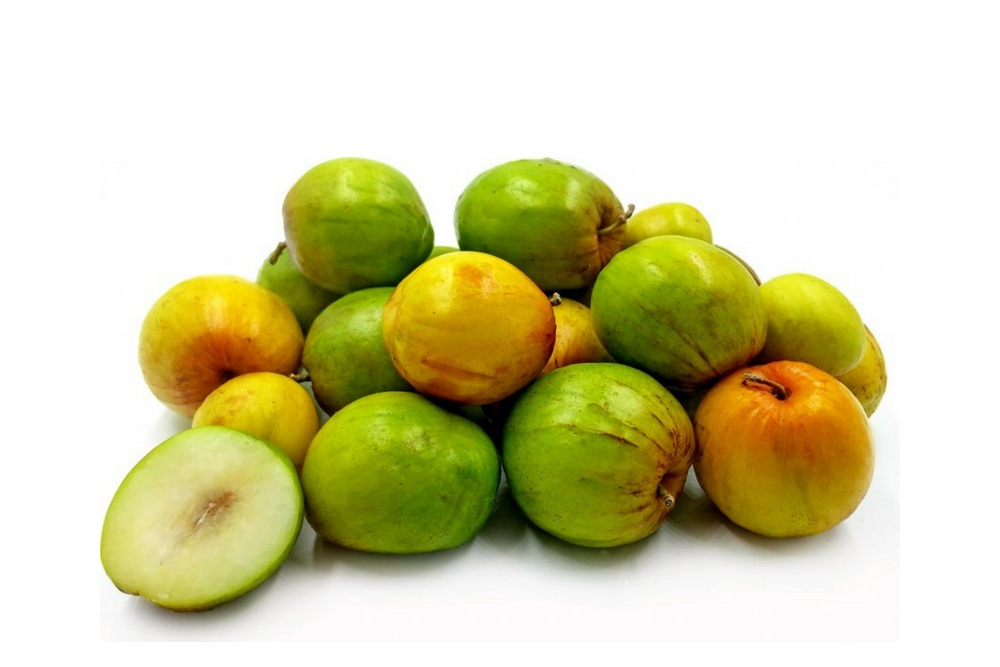
    Ziziphus mauritiana, commonly referred to as Chinese apple or Indian Jujube, is a deciduous shrub or small tree known for its sweet and tangy fruits. The fruits, also called drupes, are typically yellow to brownish-red when ripe and are the main edible part of the plant. Its adaptability and versatility make it a notable addition to gardens and landscapes, contributing not only to the palate but also to the cultural and ecological diversity of its surroundings. Chinese apple, scientifically known as Ziziphus mauritiana, extends its significance beyond its delectable taste, encompassing notable medicinal qualities that contribute to holistic health benefits. The fruit is a rich source of essential nutrients, including vitamins, minerals, and antioxidants, which collectively support various aspects of well-being. The holistic functionality of these key nutrients in Chinese apple is remarkable for promoting overall health.

    Medicinal Qualities

    Holistic Health Benefits

    One of the notable health benefits lies in the fruit’s potential to boost the immune system. Chinese apple contains significant amounts of vitamin C, a potent antioxidant known for its immune-boosting properties. The antioxidants present in the fruit also play a crucial role in combating oxidative stress and reducing inflammation, contributing to a holistic approach to health.

    Moreover, Chinese apple is valued for its role in digestive health. The fruit contains dietary fiber, aiding in smooth digestion and supporting a healthy gut microbiome. This, in turn, can contribute to improved nutrient absorption and overall digestive well-being.

    While Chinese apple offers a spectrum of health benefits, it is important to consider potential side effects and exercise caution. Excessive consumption may lead to digestive issues due to its fiber content. Additionally, individuals with certain medical conditions or allergies should be mindful of their intake. As with any natural remedy, moderation is key, and consulting with a healthcare professional is advisable, especially for those with pre-existing health concerns or medication regimens.

    Chemical Properties and Holistic Functionality

    In terms of chemical properties, Chinese apple contains various bioactive compounds, including flavonoids, triterpenoids, and polysaccharides, which contribute to its medicinal qualities. These compounds have been studied for their potential anti-inflammatory, anti-cancer, and anti-diabetic properties, further highlighting the multifaceted nature of Chinese apple’s contribution to holistic health.

    Potential Side Effects and Cautions

    Chinese apple not only tantalizes the taste buds but also serves as a holistic health ally, offering an array of medicinal qualities. From immune support to digestive health benefits, the fruit’s chemical properties and key nutrients work in harmony to promote overall well-being. As with any herbal remedy, it is advisable to approach Chinese apple with mindfulness, understanding its holistic functionality, and being aware of potential side effects to fully harness its health-promoting potential.

    Chinese apple fruits are consumable.

    Fruits can be eaten raw, dried, as jams and perserves, and as a beverage or dessert. They may be used in salads, desserts, or even cooked with meats to add a unique sweet and sour element to the dish.

    Dietary Benefits

    Chinese apple, scientifically known as Ziziphus mauritiana, offers a range of dietary benefits owing to its rich nutritional profile. The fruit contains essential vitamins and minerals that contribute to the well-being of various body systems.

    Rich in Vitamin C for Immune Support

    Chinese apple is a notable source of vitamin C, a powerful antioxidant known for its immune-boosting properties. Vitamin C plays a crucial role in supporting the immune system by enhancing the production of white blood cells and promoting the body’s defense against infections. In addition to its immune-boosting role, vitamin C enhances the absorption of non-heme iron (found in plant-based foods) from the digestive tract. This can be particularly beneficial for individuals following a vegetarian or vegan diet.

    Digestive Health

    Chinese apple is rich in dietary fiber, which promotes healthy digestion. Fiber adds bulk to the stool, preventing constipation, and supports the overall health of the digestive system. Adequate fiber intake also contributes to a healthy gut microbiome.

    Blood Pressure Regulation

    Chinese apple contains potassium, a mineral that plays a key role in regulating blood pressure. Adequate potassium intake is associated with lower blood pressure levels and a reduced risk of cardiovascular issues.

    Skin Radiance and Antioxidant Defense

    The fruit contains vitamin A, essential for maintaining healthy skin. Vitamin A plays a role in skin cell regeneration, promoting a youthful appearance. Additionally, antioxidants in Chinese apple contribute to protecting the skin from oxidative stress. The fruit is rich in flavonoids and polyphenols, which act as antioxidants. These compounds help neutralize free radicals in the body, protecting cells from oxidative damage and reducing the risk of chronic diseases.

    Bone Health

    Chinese apple contains minerals like calcium and phosphorus, both of which are crucial for maintaining strong and healthy bones. These minerals play a vital role in bone structure and density.

    Energy Metabolism

    Chinese apple provides various B vitamins, including B1 (thiamine), B2 (riboflavin), and B3 (niacin). These vitamins are essential for energy metabolism, helping convert food into usable energy for the body.

    Growing Guide

    Chinese apple, or Ziziphus mauritiana, is a deciduous shrub or small tree that typically ranges from 5 to 12 meters (16 to 39 feet) in height. It falls into the medium-sized plant category.

    The life span of Chinese apple is generally long-term. Once established, it can thrive for several decades under suitable growing conditions.

    Plant Chinese apple in a location that receives full sunlight. It prefers at least 6 to 8 hours of direct sunlight daily for optimal growth and fruit production.


    Well-drained soil is essential for Chinese apple cultivation. The plant adapts well

    Chinese apple appreciates regular watering, especially during dry periods. However, it is crucial to avoid waterlogged conditions. Allow the soil to dry slightly between waterings to prevent root rot.

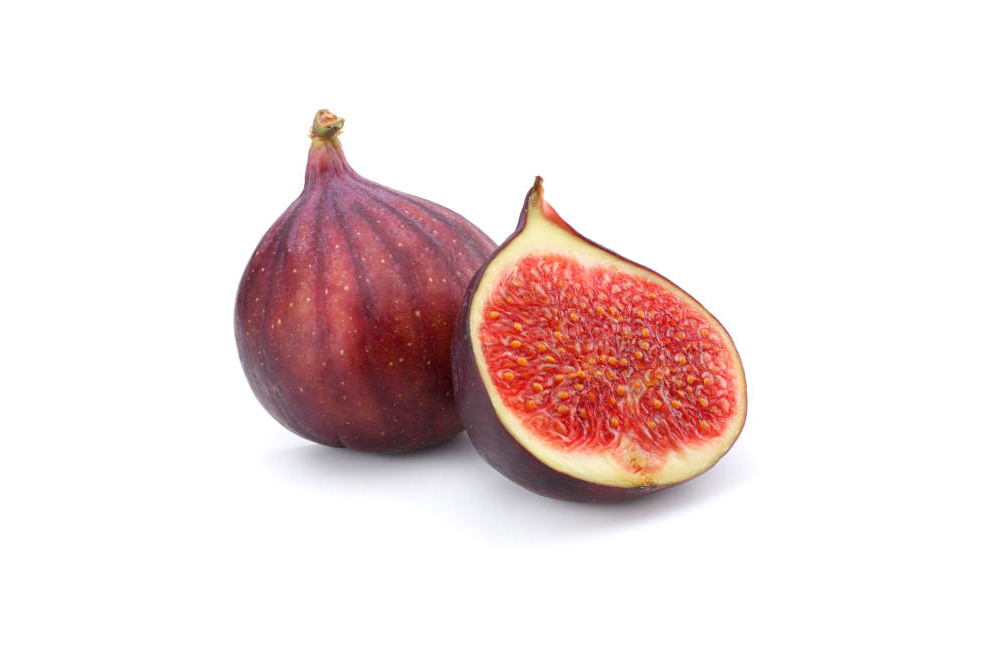
  • Red Fig

    Red Fig

    General Information

    • Common Name: Red Fig

    • Scientific Name: Ficus carica

    • Plant Type: Deciduous Tree/Shrub

    • Edible Parts: fruit (consumed in various forms)

    The Red Fig, scientifically known as Ficus carica, goes beyond its delightful taste and serves as a source of medicinal qualities with holistic health benefits. These fruits are rich in essential nutrients, contributing to their therapeutic properties. Figs are known to be a good source of dietary fiber, which aids in digestion and helps maintain a healthy digestive system. The high fiber content also contributes to regulating blood sugar levels, making them a potential asset for individuals with diabetes. Moreover, figs contain various vitamins and minerals, including potassium, magnesium, vitamin K, and B vitamins, which play crucial roles in maintaining overall health.

    Medicinal Qualities

    Holistic Health Benefits

    The chemical properties of the Red Fig further enhance its holistic functionality. Figs are known for their natural sugars, predominantly in the form of fructose, providing a sweet taste without the need for added sugars. Additionally, figs contain phytochemicals such as flavonoids and polyphenols, which exhibit antioxidant properties. These antioxidants help neutralize free radicals in the body, potentially reducing the risk of chronic diseases and promoting overall well-being.

    Chemical Properties and Holistic Functionality

    Holistic functionality extends to the potential medicinal benefits of key nutrients found in Red Figs. For example, potassium helps regulate blood pressure and supports cardiovascular health. The presence of fiber aids in weight management by promoting satiety and regulating appetite. Moreover, vitamin K contributes to bone health and blood clotting, enhancing the overall nutritional profile of these fruits.

    Potential Side Effects and Cautions

    Despite the numerous health benefits, it’s important to consider potential side effects and exercise caution. Figs contain a natural latex, which may cause allergic reactions in some individuals. Excessive consumption of figs may also lead to digestive issues such as diarrhea or stomach upset due to their high fiber content. Individuals with pre-existing allergies or digestive concerns should approach fig consumption with care.

    Red Fig Fruits are consumable.

    Fruits can be eaten raw, dried, cooked, baked, in jams or preserves. The fruit has a sweet and luscious taste.

    Dietary Benefits

    The Red Fig, scientifically known as Ficus carica, offers a plethora of dietary benefits, enriched with vitamins and minerals that positively impact various body systems.

    Cardiovascular Health

    Red Figs are an excellent source of potassium, a mineral crucial for maintaining cardiovascular health. Potassium helps regulate blood pressure by counteracting the effects of sodium, promoting proper dilation of blood vessels, and reducing strain on the heart. This contributes to a lower risk of hypertension and cardiovascular diseases.

    Bone Health

    Vitamin K, found in Red Figs, plays a vital role in bone health. It is essential for proper calcium absorption and bone mineralization. Adequate vitamin K intake supports bone density and reduces the risk of fractures and osteoporosis.

    Digestive Wellness

    The high dietary fiber content in Red Figs aids in digestive wellness. Fiber promotes regular bowel movements, prevents constipation, and supports a healthy gut microbiome. Additionally, fiber contributes to maintaining stable blood sugar levels, making figs a beneficial addition for individuals managing diabetes.

    Antioxidant Defense

    Red Figs contain a variety of antioxidants, including flavonoids and polyphenols. These compounds help neutralize free radicals in the body, reducing oxidative stress and inflammation. Antioxidants play a crucial role in supporting overall cellular health and may contribute to a lower risk of chronic diseases.

    Metabolism and Energy

    B-vitamins, such as B6 (pyridoxine), found in Red Figs, are essential for energy metabolism. Pyridoxine is involved in the synthesis of neurotransmitters and hemoglobin, contributing to overall cognitive function and oxygen transport in the blood.

    Immune Support

    Vitamins A and C, present in Red Figs, contribute to immune system support. Vitamin A is essential for maintaining the integrity of mucosal surfaces, such as the respiratory and digestive tracts, acting as a first line of defense against pathogens. Vitamin C enhances immune function and aids in collagen synthesis, promoting skin health.

    Growing Guide

    Red Fig trees are typically classified as medium-sized deciduous trees, with mature heights ranging from 10 to 30 feet. Consider the available space and prune accordingly for optimal growth and fruit production.

    Red Fig trees have a long life span, often exceeding 50 years when provided with proper care. Patience is key, as the trees may take a few years to reach full fruit-bearing maturity.

    Plant Red Fig trees in full sunlight for at least 6-8 hours a day. Ensure they receive adequate sunlight to promote healthy growth and abundant fruit production.

    Red Figs thrive in well-draining soil with a slightly acidic to neutral pH. Sandy loam or loamy soil types are ideal. Adding organic matter, such as compost, improves soil fertility and structure.

    Provide consistent and deep watering, especially during dry spells. Keep the soil consistently moist but not waterlogged. Use mulch around the base to retain soil moisture and regulate temperature.

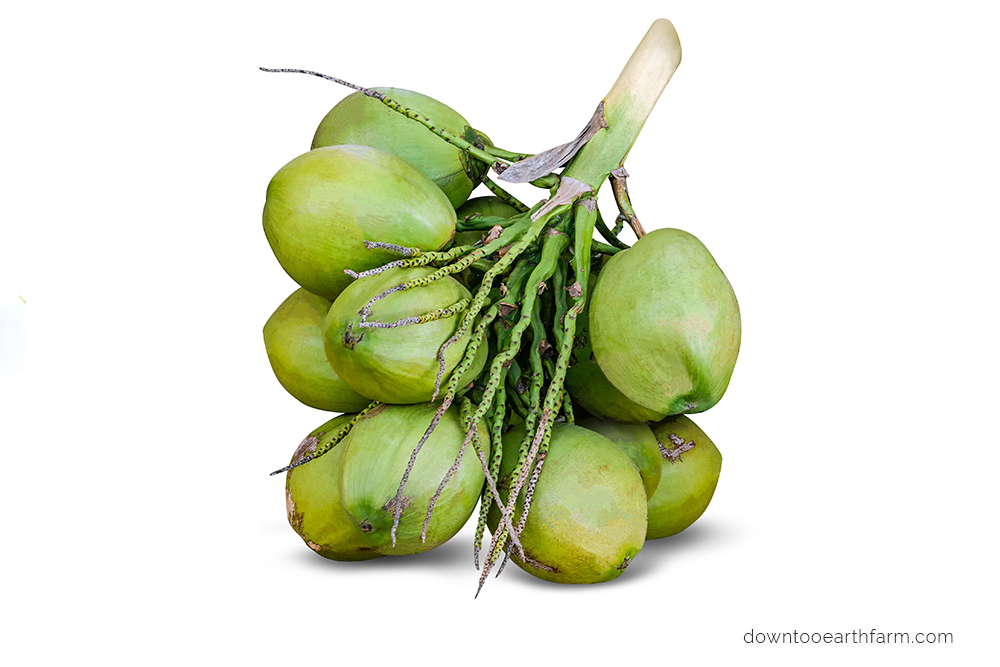
  • Malaysian Green Coconut

    Malaysian Green Coconut

    General Information

    • Common Name:Malaysian Green Coconut

    • Scientific Name: Cocos nucifera var. typica (various species)

    • Plant Type: Perennial, Tropical

    • Edible Parts: water (coconut water), jelly (young coconut meat), and pulp (mature coconut meat).

    The Malaysian Green Coconut tree, scientifically known as Cocos nucifera var. typica, is a perennial tropical plant celebrated for its versatile and delectable fruits. the Malaysian Green Coconut tree’s fruit goes beyond its culinary appeal, offering a wealth of medicinal qualities that contribute to holistic health. From its hydrating coconut water to the nutrient-rich jelly and pulp, the various components of the coconut provide a range of benefits while acknowledging potential side effects and cautions for certain individuals. Incorporating this tropical gem into a balanced diet can enhance overall well-being and support various aspects of physical health.

    Medicinal Qualities

    Holistic Health Benefits

    The Malaysian Green Coconut tree’s fruit is not only a delicious and refreshing treat but also boasts numerous medicinal qualities, contributing to holistic health benefits. The coconut water, extracted from the young green coconuts, is renowned for its hydrating properties and is often referred to as nature’s isotonic beverage. Rich in electrolytes such as potassium, magnesium, and calcium, coconut water helps maintain proper fluid balance in the body, making it an excellent choice for rehydration, especially in tropical climates. Additionally, the water contains cytokinins, which may exhibit anti-aging and anti-cancer properties.

    The young coconut meat, known as jelly, is a source of medium-chain triglycerides (MCTs), a type of healthy saturated fat that may promote heart health and aid in weight management. MCTs are quickly metabolized by the body for energy, offering a readily available fuel source. The mature coconut meat, or pulp, is abundant in dietary fiber, promoting digestive health and providing a sense of satiety.

    Chemical Properties and Holistic Functionality

    The Malaysian Green Coconut tree’s fruit is not only a delicious and refreshing treat but also boasts numerous medicinal qualities, contributing to holistic health benefits. The coconut water, extracted from the young green coconuts, is renowned for its hydrating properties and is often referred to as nature’s isotonic beverage. Rich in electrolytes such as potassium, magnesium, and calcium, coconut water helps maintain proper fluid balance in the body, making it an excellent choice for rehydration, especially in tropical climates. Additionally, the water contains cytokinins, which may exhibit anti-aging and anti-cancer properties.

    The young coconut meat, known as jelly, is a source of medium-chain triglycerides (MCTs), a type of healthy saturated fat that may promote heart health and aid in weight management. MCTs are quickly metabolized by the body for energy, offering a readily available fuel source. The mature coconut meat, or pulp, is abundant in dietary fiber, promoting digestive health and providing a sense of satiety.

    Potential Side Effects and Cautions

    While the Malaysian Green Coconut offers numerous health benefits, it is essential to consider potential side effects and cautions. Some individuals may be allergic to coconut or experience digestive discomfort, such as bloating or diarrhea, particularly when consuming excessive amounts. Additionally, individuals with kidney issues should moderate their intake of coconut water due to its potassium content.

    The water (coconut water), jelly (young coconut meat), and pulp (mature coconut meat) is consumable.

    Coconut Water can be served as a Chilled Refreshment, in Smoothies and Beverages and in Cocktails. Coconut Jelly (Young Coconut Meat) is enjoyed Fresh and Raw, in Salads or in Desserts. Coconut Pulp (Mature Coconut Meat) are Grated or Shredded to use as a topping for desserts, yogurt, or oatmeal, in Curries and Stews and in Baking. Coconut pulp is also dried for snacks or in trail mixes.

    Dietary Benefits

    The dietary benefits of Malaysian Green Coconut are extensive, as it is a nutrient-rich fruit that contributes to overall well-being and supports various body systems. Here’s an exploration of the vitamins and minerals found in the Malaysian Green Coconut and their specific benefits:

    Electrolytes for Hydration

    Malaysian Green Coconut water is a natural electrolyte-rich beverage, containing potassium, magnesium, sodium, and calcium. These electrolytes play a crucial role in maintaining proper fluid balance, supporting hydration, and ensuring the optimal functioning of the cardiovascular and muscular systems.

    Healthy Fats for Satiety

    The coconut meat, whether in the form of jelly or pulp, contains healthy fats, primarily medium-chain triglycerides (MCTs). MCTs are easily digestible and quickly metabolized by the body for energy, promoting a sense of satiety and potentially aiding in weight management.

    Bone-Building Minerals

    Coconut water and coconut meat are rich in minerals like phosphorus and manganese, which are essential for bone health. Phosphorus is a key component of bone structure, while manganese plays a role in bone formation and mineralization.

    Antioxidant Protection

    The Malaysian Green Coconut contains antioxidants, including phenolic compounds. These antioxidants help neutralize free radicals in the body, providing protection against oxidative stress and reducing the risk of chronic diseases.

    Immune-Boosting Vitamin C & Metabolism-Boosting B

    Coconuts are a source of vitamin C, a powerful antioxidant that supports the immune system. Vitamin C plays a vital role in protecting the body against infections, promoting the production of collagen for healthy skin, and aiding in the absorption of iron from plant-based foods. The Malaysian Green Coconut contains B vitamins, including B1 (thiamine), B2 (riboflavin), B3 (niacin), B5 (pantothenic acid), and B6 (pyridoxine). These vitamins play key roles in energy metabolism, supporting the conversion of food into energy and assisting in the proper functioning of the nervous system.

    Digestive Health with Dietary Fiber

    The mature coconut meat, or pulp, is a good source of dietary fiber. Fiber promotes digestive health by preventing constipation, supporting a healthy gut microbiome, and aiding in the regular elimination of waste.

    Growing Guide

    Malaysian Green Coconut trees fall into the category of large palms. They can reach heights of 50 to 80 feet (15 to 24 meters) when mature, with a spread of 20 to 30 feet (6 to 9 meters). Consider the ample space required when planting to accommodate the tree’s size.

    The Malaysian Green Coconut tree has a long life span, typically living for 80 to 100 years. Patience is key, as it takes several years for the tree to start bearing fruit.

    These coconut trees thrive in full sunlight. Plant them in an area where they receive at least 8 hours of direct sunlight daily for optimal growth and fruit production.

    Malaysian Green Coconut trees prefer well-draining, sandy loam soil with a slightly acidic to neutral pH (6.0 to 7.0). Ensure good drainage to prevent waterlogging, as coconut trees do not tolerate waterlogged conditions.

    Coconut trees require consistent moisture, especially during dry periods. Water the tree regularly, providing enough water to keep the soil consistently moist but not waterlogged. Adjust watering frequency based on weather conditions and soil moisture levels.

    Patience is crucial as Malaysian Green Coconuts take about 6 to 10 years to start bearing fruit. Harvest coconuts when they are green and young for coconut water and jelly. For mature coconut meat (copra), wait until the husk turns brown. Use a long pole with a cutting tool to harvest coconuts safely from the ground.

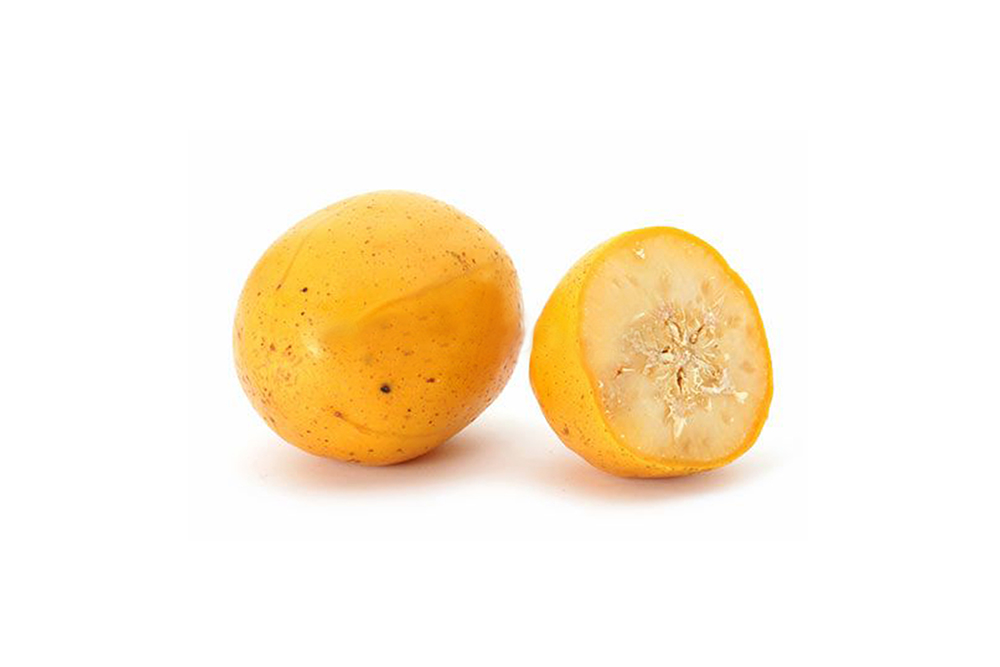
  • June Plum

    June Plum

    General Information

    • Common Name: June Plum, Golden Apple, Ambarella

    • Scientific Name: Spondias cytherea

    • Plant Type: Tropical Fruit Tree

    • Edible Parts: fruit (consumed in various forms), young leaves and shoots 

    The June Plum tree (Spondias cytherea) is a tropical fruit tree that brings both ornamental beauty and delectable fruits to its surroundings. Characterized by its medium to large size, reaching heights of 30 to 40 feet, the tree boasts a long life span, offering years of fruitful abundance when properly cared for. Beyond its aesthetic appeal, the tree provides an array of health benefits through its rich content of vitamins, minerals, and antioxidants. With diligent care, the June Plum tree becomes a rewarding addition to any tropical or subtropical landscape, offering not just shade and visual appeal but also a source of delicious and nutritious fruits.

    Medicinal Qualities

    Holistic Health Benefits

    June Plum, scientifically known as Spondias cytherea, possesses several medicinal qualities that contribute to its holistic health benefits. The fruit is not only enjoyed for its sweet and tangy flavor but also valued for its potential health-promoting properties. June Plum is a good source of antioxidants, including vitamin C, which helps combat oxidative stress and may contribute to overall cellular health. The high vitamin C content in June Plum supports the immune system, helping the body defend against infections and illnesses. The fruit contains dietary fiber, aiding in digestion and promoting a healthy digestive system. Fiber helps prevent constipation and supports gut health. Some compounds in June Plum may have anti-inflammatory effects, potentially reducing inflammation in the body and providing relief for inflammatory conditions.

    Chemical Properties and Holistic Functionality

    The chemical properties of June Plum reveal a rich array of nutrients that contribute to its holistic functionality. Known for its antioxidant properties, vitamin C in June Plum supports the immune system, collagen formation, and helps protect cells from damage. The presence of dietary fiber contributes to digestive health by regulating bowel movements and promoting a sense of fullness, which may assist in weight management. June Plum contains various phytochemicals, such as polyphenols, flavonoids, and carotenoids, which contribute to its antioxidant and anti-inflammatory effects.

    Potential Side Effects and Cautions

    While June Plum is generally considered safe for consumption, there are some considerations to keep in mind. Individuals with known allergies to fruits should exercise caution when trying June Plum for the first time and monitor for any allergic reactions. As with any fruit, moderation is key. Excessive consumption may lead to gastrointestinal discomfort due to the fruit’s natural sugars and acids. The seed inside the fruit is not typically consumed and should be avoided, as it may contain compounds that can be toxic in large quantities.

    It’s important to note that individual responses to foods can vary, and consulting with a healthcare professional is advisable, especially for those with existing health conditions or concerns. Incorporating June Plum as part of a balanced and varied diet can contribute to overall well-being, but it should not replace professional medical advice or treatment.

    June Plum Fruits are consumable. Young leaves and shoots are used in culinary dishes.

    The fruit is commonly eaten fresh, but can also be used in jams, chutneys, and beverages. The fruit has a sweet yet tangy taste. The young leaves and shoots are sometimes used in traditional medicine and culinary dishes.

    Dietary Benefits

    The dietary benefits of June Plum extend across various body systems, thanks to its rich array of vitamins and minerals. Here’s a detailed exploration:

    Vitamin C for Immune Support

    June Plum is a notable source of vitamin C (ascorbic acid), a crucial nutrient that plays a pivotal role in supporting the immune system. Vitamin C stimulates the production of white blood cells, enhances the activity of immune cells, and helps protect the body against infections and illnesses.

    Vitamin A and B for Vision, Skin Health and Metabolism

    June Plum contains vitamin A, which is essential for maintaining healthy vision and promoting skin health. Vitamin A is crucial for the proper functioning of the eyes, and it also plays a role in supporting the integrity of the skin. The fruit provides several B vitamins, including B1 (thiamine), B2 (riboflavin), B3 (niacin), and B6 (pyridoxine). These vitamins play key roles in energy metabolism, aiding in the conversion of food into energy and supporting the proper functioning of the nervous system.

    Antioxidants for Cellular Protection

    The fruit is rich in antioxidants, including various phytochemicals such as polyphenols and flavonoids. These antioxidants help protect cells from oxidative stress and damage caused by free radicals. By neutralizing free radicals, antioxidants contribute to cellular health and may help reduce the risk of chronic diseases.

    Dietary Fiber for Digestive Health

    The fruit is a good source of dietary fiber, which is essential for maintaining digestive health. Fiber adds bulk to the stool, preventing constipation and promoting regular bowel movements. A healthy digestive system contributes to nutrient absorption and overall well-being.

    Harmony of Nutrients

    Potassium is a vital mineral found in June Plum that contributes to cardiovascular health. It helps regulate blood pressure by balancing sodium levels, reducing the risk of hypertension and supporting overall heart function. June Plum contains iron, a mineral essential for the production of hemoglobin, the protein responsible for transporting oxygen in the blood. Adequate iron intake supports energy production and helps prevent conditions like iron-deficiency anemia. June Plum contains calcium and phosphorus, essential minerals for maintaining strong and healthy bones. Adequate intake of these minerals supports bone density and helps prevent conditions like osteoporosis.

    Growing Guide

    June Plum trees are medium to large-sized, reaching heights of 30 to 40 feet (9 to 12 meters) when fully mature. Consider the space available when planting to accommodate the tree’s size.

    These tropical fruit trees have a long life span, often living for several decades under favorable growing conditions. With proper care, a June Plum tree can be a fruitful addition to your landscape for many years.

    June Plum thrives in full sunlight, requiring at least 6 to 8 hours of direct sunlight per day. Plant the tree in a location with ample sunlight exposure to promote healthy growth and fruit production.

    Plant June Plum in well-draining soil with a slightly acidic to neutral pH. Sandy loam or loamy soils are ideal. Ensure good drainage to prevent waterlogging, which can be detrimental to the tree’s root system

    Provide regular watering, especially during dry periods. While June Plum trees are relatively drought-tolerant once established, consistent moisture is crucial for optimal fruit development. Water deeply but allow the soil to dry out between watering to prevent waterlogged conditions.

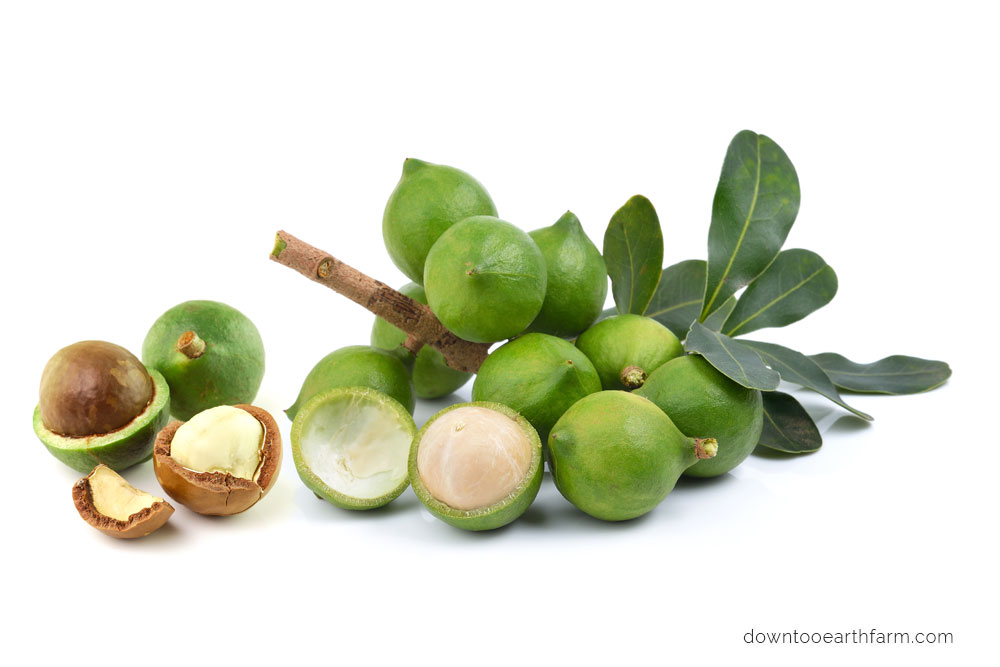
  • Macadamia Nut

    Macadamia Nut

    General Information

    • Common Name: Macadamia nuts

    • Scientific Name: Macadamia spp. (various species)

    • Plant Type: Fruit Tree (botanically) Nut Tree (by definition)

    • Edible Parts: Edible seeds (kernels), often found in a hard shell

    This evergreen tree is renowned for its delicious and nutritious nuts. The macadamia nut tree stands out not only for its tasty nuts but also for its versatility and aesthetic appeal.

    Medicinal Qualities

    Holistic Health Benefits

    Macadamia nuts, beyond their delectable taste, boast several medicinal qualities and holistic health benefits. These nuts are a rich source of monounsaturated fats, particularly oleic acid, which has been associated with heart health. The presence of antioxidants, such as tocopherols and squalene, contributes to the nut’s potential in reducing oxidative stress and inflammation in the body. In traditional and folklore medicines, macadamia nuts have been utilized for their holistic health benefits. Some traditional practices attribute anti-inflammatory properties to macadamia nuts, suggesting their potential in alleviating conditions related to inflammation. Additionally, the nuts are believed to support skin health and promote a radiant complexion due to their moisturizing effects.

    Chemical Properties and Holistic Functionality

    The chemical properties of macadamia nuts underscore their holistic functionality. The nuts are a source of essential nutrients, including vitamins like vitamin E, B vitamins, and minerals such as magnesium and potassium. Vitamin E, in particular, contributes to the antioxidant properties of macadamia nuts. The holistic functionality of these nutrients extends to supporting overall well-being, from skin health to the proper functioning of various bodily systems.

    Potential Side Effects and Cautions

    While macadamia nuts offer numerous health benefits, it’s essential to consider potential side effects and exercise caution. These nuts are calorie-dense due to their fat content, and excessive consumption may lead to weight gain. Additionally, individuals with nut allergies should be cautious, as macadamia nuts can trigger allergic reactions in some cases. As with any food, moderation is key, and it’s advisable for individuals with specific health conditions or concerns to consult with a healthcare professional before incorporating macadamia nuts into their diet.

    Macadamia nut inner seed is consumable.

    Macadamia nuts are commonly consumed as snacks, added to baked goods, or used in various culinary dishes. They can be enjoyed roasted, salted, or used in the form of macadamia nut butter. The nuts are rich in healthy fats and have a distinct creamy texture and a mildly sweet taste.

    Dietary Benefits

    Macadamia nuts offer a range of dietary benefits, making them a valuable addition to a balanced and nutritious diet. Packed with essential nutrients, these nuts contribute to overall well-being and support various body systems.

    Heart Health

    Macadamia nuts are rich in monounsaturated fats, particularly oleic acid. This type of healthy fat has been associated with cardiovascular health by helping to reduce levels of bad cholesterol (LDL) while maintaining or increasing levels of good cholesterol (HDL). Additionally, the nuts contain antioxidants that may contribute to a lower risk of heart disease by reducing oxidative stress.

    Antioxidant Support

    Macadamia nuts contain vitamin E, a potent antioxidant. Antioxidants play a crucial role in neutralizing free radicals in the body, which can contribute to aging and various diseases. Vitamin E, found in macadamia nuts, helps protect cells from oxidative damage, supporting overall cellular health.

    Bone Health

    The nuts provide essential minerals such as phosphorus, magnesium, and calcium. These minerals are vital for maintaining strong and healthy bones. Phosphorus is involved in bone formation, magnesium contributes to bone density, and calcium is a key component of bone structure. Including macadamia nuts in the diet can thus support bone health and reduce the risk of conditions like osteoporosis.

    Nervous System Support

    Macadamia nuts contain B vitamins, including thiamine (B1) and niacin (B3). These vitamins play a crucial role in supporting the nervous system. Thiamine is essential for nerve function, while niacin contributes to overall neurological health. Including macadamia nuts in the diet can help ensure proper functioning of the nervous system.

    Metabolism and Energy Production

    The B vitamins found in macadamia nuts also play a role in metabolism and energy production. Thiamine, in particular, is involved in converting carbohydrates into energy. Including macadamia nuts in your diet can contribute to sustained energy levels and metabolic efficiency.

    Incorporating macadamia nuts into a well-balanced diet provides an array of vitamins and minerals that benefit various body systems. From supporting heart health to promoting strong bones and aiding in energy production, these nuts offer a delicious and nutritious way to enhance overall well-being. As with any food, moderation is key, and they can be enjoyed as part of a diverse and health-conscious diet.

    Growing Guide

    Macadamia nut trees are medium to large in size, typically reaching a height of 30 to 40 feet when mature. It’s essential to provide ample space for their growth and spread.

    Macadamia nut trees have a long life span, often exceeding 60 years. With proper care, they can be a fruitful and resilient addition to your garden for several decades.

    Macadamia trees thrive in full sunlight. Ensure they receive at least 6 to 8 hours of direct sunlight daily for optimal growth and nut production.

    These trees prefer well-draining soil with a slightly acidic to neutral pH. Sandy loam or loamy soil types are ideal. Adding organic matter can enhance soil fertility.

    Provide consistent and deep watering for macadamia trees, especially during dry periods. However, they are sensitive to waterlogged conditions, so well-drained soil is crucial to prevent root rot.

    Macadamia trees flourish in tropical and subtropical climates, making Zone 11 ideal for their cultivation. Ensure temperatures remain consistently warm without frost, as macadamias are sensitive to cold.

    • Plant macadamia trees in the early spring when the soil has warmed up. Space trees at least 15 to 20 feet apart to allow for proper growth and air circulation.
    • Use a balanced fertilizer, and apply it during the growing season. Macadamias benefit from a fertilizer with a higher potassium content to support fruiting.
    • Regular pruning is beneficial to shape the tree, remove dead or crowded branches, and improve air circulation. Prune during the dormant season in winter.
    • Macadamia nuts typically mature in late fall. Harvest when the outer husk begins to split, revealing the hard shell. Allow nuts to dry for a few weeks before cracking them open.
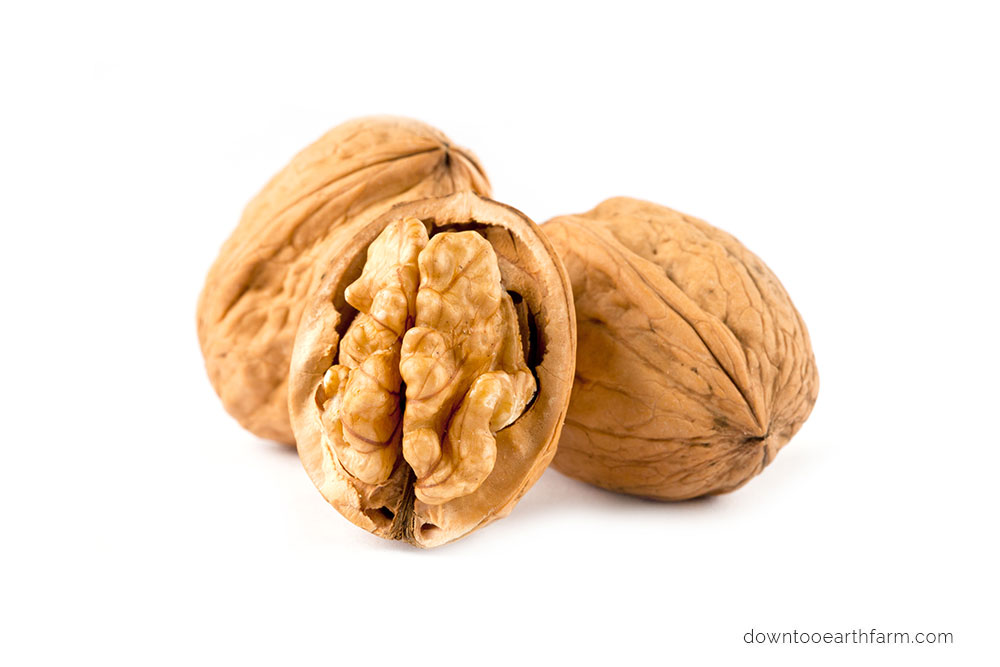
  • Walnut

    Walnut

    General Information

    • Common Name: Walnut

    • Scientific Name: Juglans spp. (various species)

    • Plant Type: Fruit Tree (botanically) Nut Tree (by definition)

    • Edible Parts: Edible seeds (kernels), often found in a hard shell

    These deciduous trees are prized not only for their delicious nuts but also for the high-quality wood they yield. Walnuts are cultivated for various purposes, from culinary uses – where their kernels add a distinct flavor to dishes – to the production of walnut oil, known for its nutritional value.

    Medicinal Qualities

    Holistic Health Benefits

    Walnuts, beyond their delightful taste, boast a range of medicinal qualities that contribute to holistic health. Rich in antioxidants, particularly polyphenols and vitamin E, walnuts play a crucial role in neutralizing free radicals in the body, thereby aiding in the prevention of chronic diseases and supporting overall well-being. Additionally, these nuts are a notable source of omega-3 fatty acids, particularly alpha-linolenic acid (ALA), which is associated with heart health and may have anti-inflammatory effects. The holistic health benefits of walnuts extend to cardiovascular support, as studies suggest that regular consumption may help reduce cholesterol levels and improve blood vessel function. The omega-3 fatty acids contribute to cognitive health, potentially reducing the risk of age-related cognitive decline. Furthermore, walnuts are associated with weight management due to their satiating properties, making them a valuable addition to a balanced diet. Folk remedies often highlight the nut’s potential to alleviate digestive issues, with some cultures using walnut extracts for their antiparasitic properties. Furthermore, traditional medicine systems have explored the use of walnuts for skin conditions, such as eczema, attributing its fatty acids and antioxidants to potential skin-healing properties.

    Chemical Properties and Holistic Functionality

    The chemical properties of walnuts reveal a nutritional profile that contributes to their holistic functionality. Beyond omega-3 fatty acids, they contain essential nutrients such as magnesium, phosphorus, copper, and manganese. These minerals play vital roles in bone health, enzyme function, and overall metabolic processes. The synergistic combination of these nutrients makes walnuts a nutrient-dense food, supporting various aspects of physiological well-being.

    Potential Side Effects and Cautions

    While walnuts offer numerous health benefits, it’s essential to be mindful of potential side effects and precautions. Some individuals may be allergic to tree nuts, including walnuts, leading to allergic reactions. Additionally, the high-fat content of walnuts means they are calorie-dense, so moderation is key, especially for those managing weight. The oxalates present in walnuts could be a concern for individuals prone to kidney stones. As with any food, incorporating walnuts into a balanced diet and consulting with a healthcare professional is advisable, especially for those with specific health conditions or concerns.

    Walnut inner seed is consumable.

    Walnuts have a distinctive flavor that is rich, slightly bitter, and earthy. The taste is often described as nutty and somewhat buttery. Whether used in salads, baked goods, or simply enjoyed on their own as a snack, the taste of walnuts is a characteristic blend of nuttiness and mild bitterness.

    Dietary Benefits

    Walnuts are a nutritional powerhouse, offering a range of health benefits due to their rich composition of essential vitamins, minerals, and other bioactive compounds.

    Cardiovascular Health

    Walnuts are renowned for their positive impact on cardiovascular health. The omega-3 fatty acids, specifically alpha-linolenic acid (ALA), present in walnuts have been linked to a reduction in LDL (low-density lipoprotein) cholesterol levels. Additionally, the presence of antioxidants, such as vitamin E and polyphenols, helps combat oxidative stress, potentially reducing the risk of heart disease.

    Brain Function and Cognitive Health

    The omega-3 fatty acids in walnuts contribute to brain health and cognitive function. These fatty acids are vital components of cell membranes in the brain and may support cognitive processes. The presence of antioxidants also plays a role in protecting the brain from oxidative damage.

    Bone Health

    Walnuts contain essential minerals like copper and manganese, which play a role in maintaining bone health. Copper is involved in the formation of collagen, a key component of bones and connective tissues, while manganese contributes to bone development and mineralization.

    Metabolic Function

    Walnuts provide a variety of nutrients, including magnesium and phosphorus, which are crucial for metabolic processes in the body. Magnesium is involved in energy production and the regulation of blood sugar levels, while phosphorus is a key component of DNA and RNA, important for cellular function.

    Antioxidant Support

    The antioxidants found in walnuts, including vitamin E and polyphenols, help neutralize free radicals in the body. This antioxidant activity may contribute to overall health and well-being by reducing the risk of chronic diseases and supporting the immune system.

    Weight Management

    Despite being calorie-dense, walnuts can be beneficial for weight management. The combination of protein, fiber, and healthy fats in walnuts contributes to a feeling of fullness and satiety, potentially reducing overall calorie intake and aiding in weight control. Incorporating walnuts into a balanced diet can contribute to the overall well-being of various body systems, offering a diverse range of essential nutrients and bioactive compounds. As with any food, moderation is key, and walnuts can be a flavorful and nutritious addition to a healthy eating plan.

    Growing Guide

    Walnut trees belong to the large tree category, classified as deciduous and can reach impressive heights. Depending on the specific variety, mature trees typically stand between 30 to 100 feet tall.

    Walnut trees have a long life span, often living for several decades. With proper care, they can thrive and produce walnuts for 50 years or more.

    Walnut trees thrive in full sun. Ensure they receive at least 6 to 8 hours of direct sunlight daily to support healthy growth and robust nut production.

    Walnuts prefer well-draining soil. While they are adaptable, a slightly acidic to neutral soil pH (around 6.0 to 7.5) is ideal. Sandy loam or loamy soil types work well for walnut trees.

    Provide consistent watering, especially during dry periods. While walnut trees are moderately drought-tolerant once established, regular watering is crucial during their early years to encourage deep root development.

    • Prune young walnut trees to establish a strong scaffold structure. As they mature, focus on removing dead or diseased branches and maintaining an open canopy to enhance sunlight penetration.
    • Apply a balanced fertilizer in spring to support healthy growth. Consider a fertilizer with a higher ratio of nitrogen for young trees and a balanced formulation for mature ones.
    • Harvest mature walnuts in late summer or early fall when the outer hulls split open, revealing the nuts inside. Allow nuts to dry for a few weeks before cracking them open for consumption.
    • Monitor for pests like aphids and caterpillars. Utilize organic or chemical control methods as needed, ensuring the health of both the tree and the harvested nuts.
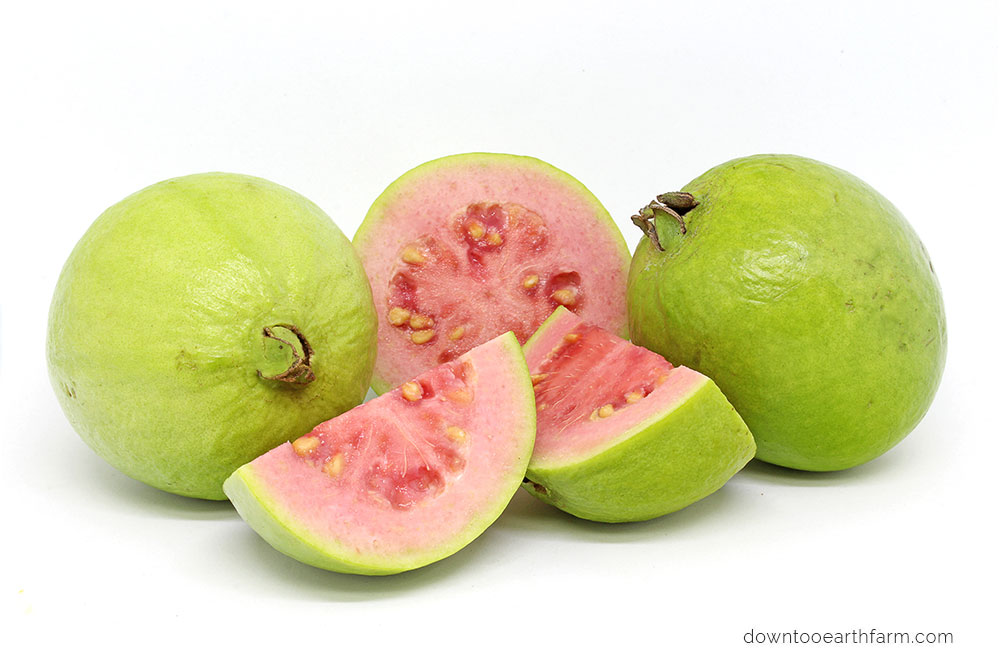
  • Guava

    Guava

    General Information

    • Common Name: Guava

    • Scientific Name: Psidium guajava

    • Plant Type: Fruit Tree

    • Edible Parts: fruit (consumed raw or cooked in various forms), leaves as teas, seeds for oil, wood for craft

    Guava (Psidium guajava) is a fruit-bearing tree known for its sweet and fragrant tropical fruits. This evergreen plant is characterized by its oval-shaped leaves, white flowers, and greenish-yellow fruit with a distinctive fragrance.

    Medicinal Qualities

    Holistic Health Benefits

    Guava fruit (Psidium guajava) is not only a delicious tropical treat but also boasts various medicinal qualities that contribute to holistic health. The fruit is renowned for its high vitamin C content, offering a powerful antioxidant that supports immune function and helps combat oxidative stress in the body. Guava is also a rich source of dietary fiber, aiding in digestive health by promoting regular bowel movements and preventing constipation. The holistic health benefits of guava extend beyond its nutritional value. The fruit is associated with anti-inflammatory properties, potentially reducing inflammation in the body and supporting conditions such as arthritis. Guava’s antimicrobial and antibacterial qualities are linked to the presence of compounds like quercetin, which may help in combating infections and promoting overall well-being. Additionally, the fruit contains natural sugars that provide a quick energy boost, making it a healthier alternative to processed snacks. In traditional and folklore medicines, various parts of the guava tree, including the leaves and bark, have been utilized for their medicinal properties. Guava leaf tea, in particular, is popular in traditional medicine for its potential to lower blood sugar levels and manage diabetes. The leaves are also believed to have anti-diarrheal properties and may aid in treating gastrointestinal issues. In some cultures, guava leaves are applied topically to wounds to promote faster healing.

    Chemical Properties and Holistic Functionality

    Guava’s medicinal qualities are attributed to its chemical composition. The fruit contains essential nutrients such as vitamins (C, A, B-complex), minerals (potassium, magnesium, copper), and bioactive compounds like flavonoids, tannins, and phenolic acids. These components contribute to the fruit’s antioxidant, anti-inflammatory, and antimicrobial activities, collectively enhancing its holistic functionality for health promotion.

    Potential Side Effects and Cautions

    While guava is generally safe for consumption, excessive intake may lead to certain side effects. The high fiber content could cause digestive discomfort, such as bloating or gas, if consumed in large quantities. Individuals with latex allergies should exercise caution, as some proteins in guava may trigger allergic reactions. Additionally, the fruit’s natural sugars could affect blood sugar levels, and individuals with diabetes should monitor their intake. As with any dietary changes, it is advisable to consult with a healthcare professional, especially for those with pre-existing medical conditions or concerns. Overall, when consumed in moderation, guava proves to be a flavorful and nutritious addition to a holistic approach to well-being.

    Guava fruits are consumable.

    Fruits can be eaten eaten raw or used in various culinary applications such as jams, juices, and desserts. The leaves are used to make herbal teas with potential health benefits. The taste of guava is refreshing and unique, making it a popular choice for fresh consumption, juices, jams, and a variety of culinary applications.

    Dietary Benefits

    Guava (Psidium guajava) is a nutritional powerhouse, offering a plethora of vitamins and minerals that contribute to overall well-being and support various body systems.

    Rich in Vitamin C for Immune Support

    Guava is renowned for its exceptionally high vitamin C content, exceeding even that of citrus fruits. Vitamin C plays a crucial role in supporting the immune system by enhancing the production of white blood cells and antibodies. This antioxidant vitamin also helps combat free radicals, protecting cells from oxidative stress and contributing to a robust immune response.

    Vitamin A for Vision and Skin Health

    Rich in vitamin A, guava promotes good vision and skin health. Vitamin A is essential for maintaining the integrity of the skin and mucous membranes, including those in the eyes. It also supports the immune system and is crucial for reproductive health.

    B-Complex Vitamins for Metabolism:

    Guava contains a variety of B-complex vitamins, including B1 (thiamine), B2 (riboflavin), B3 (niacin), B5 (pantothenic acid), and B6 (pyridoxine). These vitamins play key roles in energy metabolism, aiding in the conversion of food into usable energy. They also contribute to the health of the nervous system and help regulate hormones.

    Potassium for Heart Health

    A good source of potassium, guava supports heart health by helping to regulate blood pressure. Potassium is an electrolyte that counterbalances the effects of sodium, promoting proper fluid balance in the body and supporting cardiovascular function.

    Dietary Fiber for Digestive Health

    Guava is a fiber-rich fruit, with both soluble and insoluble fibers. Dietary fiber promotes digestive health by adding bulk to the stool, preventing constipation, and supporting regular bowel movements. It also contributes to a feeling of fullness, aiding in weight management.

    Harmony of Nutrients for Metabolic Processes

    Guava contains essential minerals such as copper and magnesium. Copper is involved in the formation of red blood cells and connective tissues, while magnesium plays a role in various metabolic processes, including energy production and muscle function. The presence of antioxidants, including flavonoids and polyphenols, in guava provides cellular protection by neutralizing free radicals. These compounds help reduce inflammation and oxidative stress, contributing to the prevention of chronic diseases and the aging process.

    Growing Guide

    Guava trees vary in size, with dwarf varieties suitable for smaller spaces and larger trees reaching up to 20 feet or more. Choose a size that fits your available space and cultivation preferences.

    Guava trees typically have a long life span, ranging from 30 to 40 years or more. With proper care, they can provide a steady harvest of delicious fruits for many years.

    Guavas thrive in full sunlight. Ensure your guava tree receives at least 6 to 8 hours of direct sunlight daily for optimal growth and fruit production.

    Guavas prefer well-draining soil. A slightly acidic to neutral pH range (between 5.5 and 7.0) is ideal. Sandy loam or loamy soil types are well-suited for guava cultivation.

    Guavas are drought-tolerant once established, but consistent watering is crucial during the growing season. Water deeply when the soil is dry to the touch, allowing the top inch of soil to dry out between watering sessions.

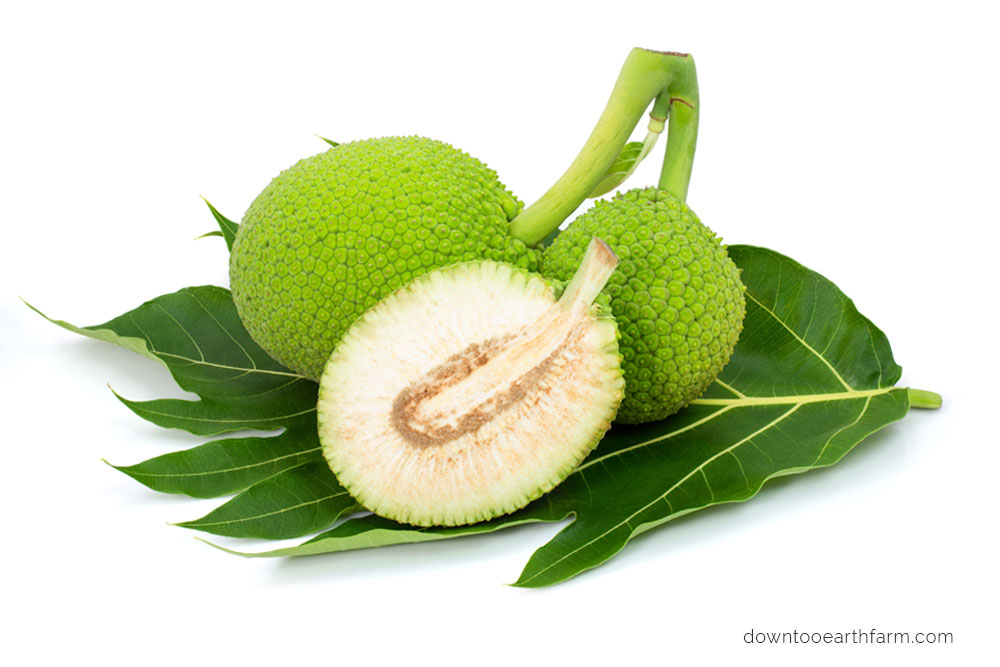
  • Breadfruit

    Breadfruit

    General Information

    • Common Name: Breadfruit

    • Scientific Name: Artocarpus altilis

    • Plant Type: Fruit Tree

    • Edible Parts: fruit (flesh and seeds) and leaves (as tea)

    While breadfruit is primarily known as a staple food, it also possesses certain medicinal qualities that contribute to its holistic health benefits. The fruit is rich in essential nutrients and bioactive compounds that support overall well-being. Let’s explore these aspects in more detail.

    Medicinal Qualities

    Holistic Health Benefits

    1. Nutrient-Rich Profile: Breadfruit is a nutrient-dense fruit, containing significant amounts of dietary fiber, vitamins, and minerals. These nutritional elements contribute to various health benefits, including improved digestion, enhanced immunity, and overall vitality.
    2. Antioxidant Properties: The fruit is known for its antioxidant content, which helps combat oxidative stress in the body. Antioxidants play a crucial role in neutralizing free radicals, thereby reducing the risk of chronic diseases and supporting cellular health.
    3. Anti-Inflammatory Effects: Breadfruit contains compounds with anti-inflammatory properties. Regular consumption may help alleviate inflammation, contributing to the prevention of inflammatory conditions and supporting joint health.

    Chemical Properties and Holistic Functionality

    1. Carbohydrates and Energy: Breadfruit is a good source of complex carbohydrates, providing a sustained release of energy. This makes it an excellent dietary choice for individuals needing a reliable energy source, such as athletes or those with active lifestyles.
    2. Vitamins and Minerals: The fruit is rich in vitamins, including vitamin C, vitamin A, thiamine, and niacin. These vitamins play essential roles in immune function, vision, and energy metabolism. Breadfruit also contains minerals like potassium, magnesium, and calcium, contributing to cardiovascular health and bone strength. 
    3. Dietary Fiber: High in dietary fiber, breadfruit supports digestive health by promoting regular bowel movements and preventing constipation. Fiber also aids in weight management and helps regulate blood sugar levels.

    Potential Side Effects and Cautions

    1. Allergic Reactions: While breadfruit is generally well-tolerated, individuals with latex allergies should exercise caution. Some people with latex sensitivity may experience cross-reactivity with certain proteins in breadfruit, leading to allergic reactions.
    2. Moderation in Consumption: Excessive consumption of breadfruit, like any food, may lead to digestive discomfort or bloating in some individuals. It’s advisable to incorporate breadfruit into a balanced diet and consume it in moderation.
    3. Preparation and Cooking: Proper preparation is crucial to minimize potential side effects. Certain varieties of breadfruit may have a latex-like sap that can be irritating. Peeling, cooking, and processing the fruit adequately can help mitigate these effects.

    Breadfruit fruits and seeds are consumable. The leaves can be steeped as teas or applied externally as poultices or decoctions. The latex is used externally as an antiseptic.

    The flesh of the breadfruit can be cooked in various ways, similar to potatoes. The seeds of the breadfruit are also edible after proper processing.

    Dietary Benefits

    Breadfruit offers a range of dietary benefits due to its rich composition of essential vitamins and minerals. Let’s explore how these nutrients contribute to the well-being of various body systems.

    Cardiovascular Health

    Breadfruit contains potassium, a vital mineral that plays a key role in regulating blood pressure. Adequate potassium intake helps maintain a healthy balance of sodium in the body, promoting optimal cardiovascular function. This can contribute to a reduced risk of hypertension and related heart issues.

    Immune System Support/ Eye Health

    Vitamin C: Breadfruit is a good source of vitamin C, a potent antioxidant. This vitamin is crucial for the proper functioning of the immune system, helping the body defend against infections and illnesses. Regular consumption of breadfruit can contribute to overall immune system health.

    Vitamin A: Breadfruit contains beta-carotene, a precursor to vitamin A. Vitamin A is essential for maintaining healthy skin and vision. It supports the proper functioning of the eyes and helps prevent conditions like night blindness. Additionally, vitamin A promotes skin cell regeneration and contributes to a radiant complexion.

    Anti-Inflammatory Effects

    Phytochemicals: Breadfruit contains various phytochemicals, including flavonoids and other antioxidants, which contribute to its anti-inflammatory properties. These compounds may help reduce inflammation in the body, supporting joint health and overall well-being.

    Energy Metabolism/ Bone Health

    Thiamine (Vitamin B1) and Niacin (Vitamin B3): Breadfruit contains significant amounts of thiamine and niacin, which play essential roles in energy metabolism. These B-vitamins are involved in converting food into energy, supporting the efficient functioning of the nervous system and aiding in the release of energy from carbohydrates.

    Calcium and Magnesium: Breadfruit provides essential minerals like calcium and magnesium, contributing to bone health. Calcium is crucial for maintaining bone density, while magnesium plays a role in bone structure and helps with the absorption of calcium. Including breadfruit in the diet can support overall skeletal health.

    Digestive Health/ Electrolyte Balance

    Dietary Fiber: High in dietary fiber, breadfruit supports digestive health by promoting regular bowel movements and preventing constipation. Fiber also aids in maintaining a healthy weight, as it provides a feeling of fullness and regulates blood sugar levels.

    Potassium and Sodium: Breadfruit’s potassium content, in conjunction with a low sodium content, helps maintain proper electrolyte balance. This balance is crucial for nerve transmission, muscle contraction, and overall fluid balance in the body.

    Growing Guide

    Breadfruit trees are classified as medium to large, reaching heights of 20 to 60 feet (6 to 18 meters). Their broad, dense canopy provides ample shade.

    Breadfruit trees have a long life span, typically living for several decades. With proper care, they can thrive for 50 years or more.

    Breadfruit trees thrive in full sunlight. Plant them in a location where they receive at least 6 to 8 hours of direct sunlight daily for optimal growth and fruit production.

    These trees prefer well-draining soil with a slightly acidic to neutral pH. Sandy loam or loamy soil types are ideal. Ensure good aeration for the roots.

    Breadfruit trees require regular watering, especially during dry periods. Keep the soil consistently moist but not waterlogged. Deep, infrequent watering is preferable over shallow, frequent watering.