Author: Down too Earth Farmers

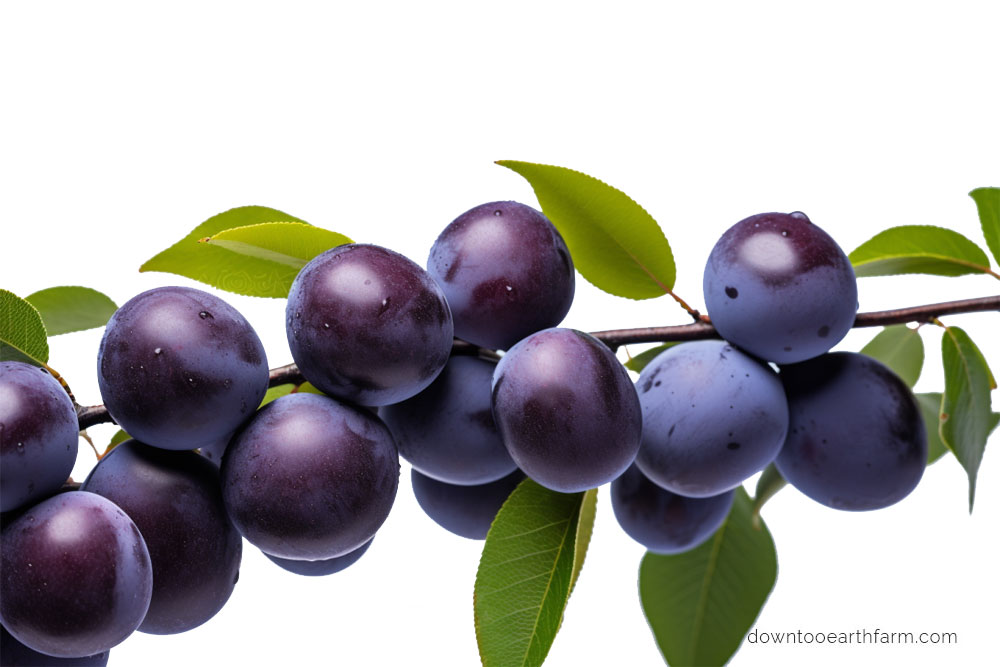
  • Governor’s Plum

    Governor’s Plum

    General Information

    • Common Name: Governor’s Plum

    • Scientific Name: Flacourtia indica

    • Plant Type: Fruit Tree

    • Edible Parts: fruit (consumed in various forms)

    This medium-sized tree adapts well to diverse climates and soils, making it a popular choice for gardeners. The fruit, prized for its sweet and tangy flavor, is not only a culinary delight but also recognized in traditional medicine for its potential health benefits, thanks to its antioxidant-rich properties. Beyond its practical uses, the Flacourtia indica tree adds ornamental value to outdoor spaces with its charming blooms and lush foliage. Whether you’re a gardening enthusiast, a culinary explorer, or interested in holistic health, the Flacourtia indica beckons with its blend of aesthetic appeal and versatile functionality.

    Medicinal Qualities

    Holistic Health Benefits

    Flacourtia indica, or the Governor’s Plum, stands out not only for its delectable taste but also for its commendable medicinal qualities. In holistic health practices, the fruit is recognized for its potent antioxidant content, primarily attributed to compounds such as flavonoids and polyphenols. These antioxidants play a crucial role in neutralizing free radicals, contributing to cellular health and overall well-being. The fruit is believed to have anti-inflammatory properties, potentially aiding in the management of inflammatory conditions. Additionally, Flacourtia indica is considered beneficial for digestive health, with the potential to alleviate common gastrointestinal issues and promote a balanced gut microbiome.

    Chemical Properties and Holistic Functionality

    The chemical properties of Flacourtia indica reveal a rich array of nutrients that contribute to its holistic functionality. The fruit is a notable source of vitamin C, an essential antioxidant that supports immune function and skin health. It also contains dietary fiber, facilitating digestive processes and promoting gut health. Flacourtia indica incorporates various minerals, including potassium, manganese, and iron, which contribute to overall vitality and metabolic balance.

    Potential Side Effects and Cautions

    While Governor’s Plum is generally considered safe for consumption, it is essential to be aware of potential side effects and exercise caution. Some individuals may experience allergic reactions, particularly if they have sensitivities to similar fruits or tree nuts. Excessive consumption of the fruit may lead to digestive discomfort due to its fiber content. As with any natural remedy, it’s advisable to introduce Governor’s Plum gradually into the diet to monitor individual tolerance. Pregnant or breastfeeding individuals and those with pre-existing medical conditions should consult healthcare professionals before incorporating the fruit into their wellness routines.

    Governor’s Plum Fruits are consumable.

    Fruits can be eaten raw, mixed with sweeteners, as a beverage or dessert. The fruit has a sweet yet tangy taste.

    Dietary Benefits

    Incorporating Governor’s Plum into the diet can be a holistic approach to supporting various body systems, from the immune and digestive systems to cardiovascular and skeletal health. As with any dietary inclusion, it’s advisable to enjoy Governor’s Plum as part of a balanced and varied diet for optimal health benefits.

    Rich in Vitamin C for Immune Support

    Flacourtia indica is a significant source of vitamin C, a potent antioxidant known for its immune-boosting properties. Vitamin C supports the production of white blood cells and enhances the body’s ability to fend off infections and illnesses. By bolstering the immune system, regular consumption of Governor’s Plum contributes to overall health and vitality.

    Loaded with Essential Minerals

    Flacourtia indica contains essential minerals such as potassium, manganese, and iron. Potassium is crucial for maintaining proper fluid balance, supporting heart health, and regulating blood pressure. Manganese plays a role in bone formation and metabolism, while iron is vital for oxygen transport in the blood. These minerals collectively contribute to the overall well-being of the cardiovascular and skeletal systems.

    Dietary Fiber for Digestive Health

    The fruit is abundant in dietary fiber, promoting digestive health and regular bowel movements. Fiber aids in maintaining a healthy gut microbiome, preventing constipation, and supporting the efficient absorption of nutrients. This contributes to a balanced digestive system and may alleviate common gastrointestinal issues.

    Harmony of Nutrients

    The fruit is rich in polyphenols, including flavonoids, which possess powerful antioxidant properties. These compounds help neutralize free radicals in the body, protecting cells from oxidative stress. By supporting cellular health, Governor’s Plum may contribute to the prevention of chronic diseases and the aging process. Flacourtia indica contains phytonutrients with anti-inflammatory effects. These compounds may help mitigate inflammation in the body, providing relief for conditions associated with chronic inflammation. This anti-inflammatory property can positively impact various systems, including joint health and overall immune function.

    Growing Guide

    Governor’s Plum is a medium-sized deciduous tree, typically reaching a height of 15 to 25 feet. Its moderate size makes it suitable for both larger gardens and orchards.

    Flacourtia indica is a perennial tree with a relatively long life span. Under proper care, it can thrive for several decades, providing a consistent harvest of plums.

    Governor’s Plum thrives in full sunlight. Ensure the tree receives at least 6 to 8 hours of direct sunlight daily for optimal growth and fruit production.

    Plant Flacourtia indica in well-draining loamy soil. The tree is adaptable to various soil types but prefers a soil pH ranging from slightly acidic to neutral.

    Maintain moderate and consistent watering, especially during dry periods. However, avoid waterlogged conditions, as well-drained soil is crucial for the health of the tree.
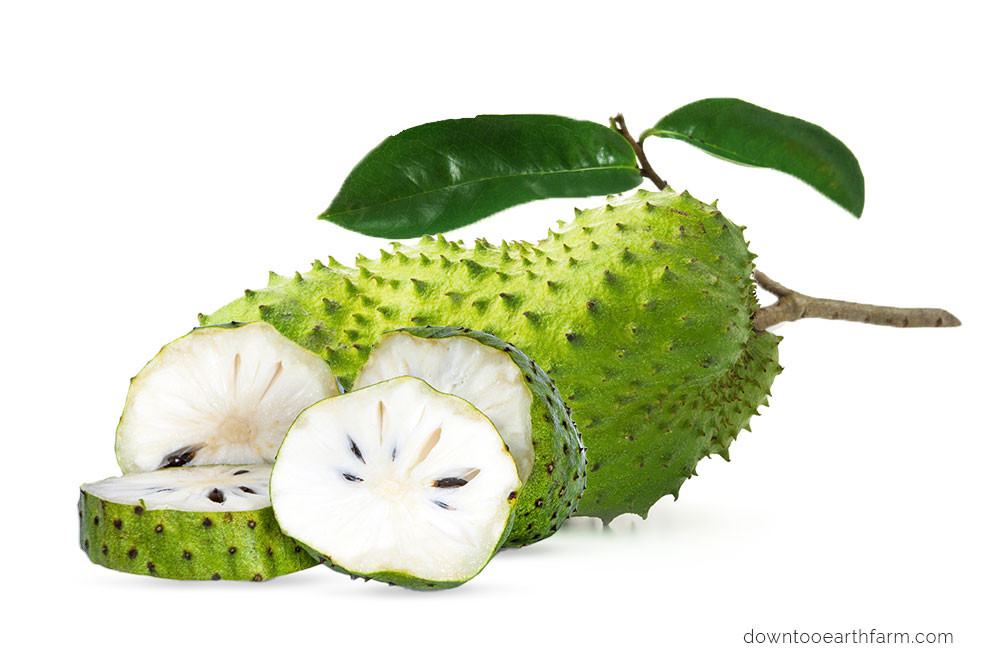
  • Soursop

    Soursop

    General Information

    • Common Name: Soursop

    • Scientific Name:  Annona muricata

    • Plant Type: Fruit Tree

    • Edible Parts: fruit (consumed in various forms) and leaves as teas

    The Soursop, renowned for its array of health benefits, is a rich source of essential nutrients such as Vitamin C, B vitamins, and potassium. These nutritional components play a vital role in bolstering the immune system and mitigating inflammation within the body. The Soursop’s natural goodness not only contributes to overall well-being but also makes it a valuable dietary addition for those seeking to enhance their immune response and address inflammation-related ailments.

    Medicinal Qualities

    Holistic Health Benefits

    Soursop, a treasure in holistic medicine, encompasses a plethora of health benefits rooted in both tradition and emerging scientific understanding. Laden with Vitamin C, B vitamins, and potassium, Soursop contributes to bolstering the immune system and combating inflammation. In holistic medicine, the fruit is celebrated for its potential role in easing digestive discomforts, promoting relaxation, and even possessing mild sedative properties, as attested in certain traditional practices. The leaves, when brewed into a tea, are believed to offer additional benefits, including calming effects and anti-inflammatory support.

    Soursop, revered in holistic medicine, stands out for its potential anti-cancer properties, adding a profound layer to its health benefits. At the core of its holistic prowess lies a group of compounds known as acetogenins, which have been a subject of scientific interest for their reputed ability to impede the growth of cancer cells. While research is still evolving, some studies suggest that these acetogenins exhibit selective toxicity, targeting abnormal cells without adversely affecting healthy ones.

    These bioactive compounds are believed to interfere with the energy production process within cancer cells, leading to their suppression and apoptosis, or programmed cell death. Holistically, this mechanism aligns with the philosophy of supporting the body’s innate ability to regulate and eliminate irregularities.

    Chemical Properties and Holistic Functionality

    The efficacy of Soursop’s medicinal attributes lies in its chemical composition. The fruit contains bioactive compounds such as acetogenins, alkaloids, and polyphenols, which are believed to contribute to its anti-inflammatory and potentially anti-cancer properties. Holistically, these compounds are thought to work synergistically, addressing health concerns in a comprehensive manner.

    Potential Side Effects and Cautions

    While Soursop offers holistic benefits, it’s crucial to exercise caution. The main medicinal chemical, acetogenins, may have neurotoxic effects in excessive quantities. As a holistic medical professional, I recommend moderation in consumption. Additionally, caution is advised for individuals with low blood pressure, as Soursop has been associated with hypotension. Topical applications should be approached with care, as skin irritation may occur in some individuals.

    Soursop fruits and leaves are consumable.

    Fruits can be eaten raw, mixed with sweeteners, as a beverage or dessert. The leaves can be steeped to make teas. The fruit has a fibrous, white, juicy pulp with a unique flavor that is a combination of strawberry, pineapple, and citrus.

    Dietary Benefits

    In the realm of holistic wellness, the dietary advantages of incorporating Soursop into one’s nutrition are profound and align with the principles of promoting overall vitality. This tropical fruit, with its exquisite blend of flavors, not only tantalizes the taste buds but also serves as a natural reservoir of health-promoting elements.

    Rich in Vitamin C for Immune Support

    Soursop, esteemed in holistic traditions, has long been associated with fostering digestive well-being. Its rich fiber content, encompassing 3.3 grams per 100 grams, contributes to optimal digestive function. Holistically, a well-functioning digestive system is regarded as the cornerstone of holistic health, influencing nutrient absorption, toxin elimination, and overall vitality.

    Revitalizing Energy

    Beyond its nutritional composition, Soursop is recognized holistically for its potential to provide a revitalizing energy boost. The combination of natural sugars (9 grams per 100 grams) and an array of B vitamins, including B1, B2, B3, B5, and B6, supports energy metabolism at the cellular level. This holistic approach acknowledges that sustained energy is not just about caloric intake but also about the synergistic interplay of nutrients supporting the body’s intricate energy production pathways.

    Skin Radiance and Antioxidant Defense

    In the holistic perspective, radiant skin is often seen as an outward reflection of internal balance. Soursop’s significant Vitamin C content (20.6 mg per 100 grams) contributes to collagen formation, promoting skin elasticity and a healthy complexion. Moreover, Vitamin C serves as a potent antioxidant, defending the body against oxidative stress, a cornerstone of holistic anti-aging philosophies.

    Harmony of Nutrients

    The beauty of Soursop lies not just in individual nutrients but in the harmonious interplay of its constituents. The fruit’s composition of vitamins, minerals, fiber, and natural sugars offers a holistic approach to nutrition, supporting multiple bodily systems simultaneously. This synergistic quality resonates with holistic principles, emphasizing the interconnectedness of physical, mental, and emotional well-being.

    Growing Guide

    Soursop is classified as a tree, and it typically reaches a height of 10-15 feet when fully grown.

    As a perennial plant, Soursop boasts a long life span, thriving for several years with proper care.

    Ensure your Soursop receives ample sunlight, as it prefers full sun exposure to promote healthy growth and fruit production.


    Plant Soursop in well-drained soil for optimal development. It thrives in soils that allow excess water to drain away, preventing waterlogging.

    Maintain a moderate watering routine for your Soursop. While it appreciates consistent moisture, it’s essential to avoid overwatering, as the plant dislikes waterlogged conditions.