

June Plum

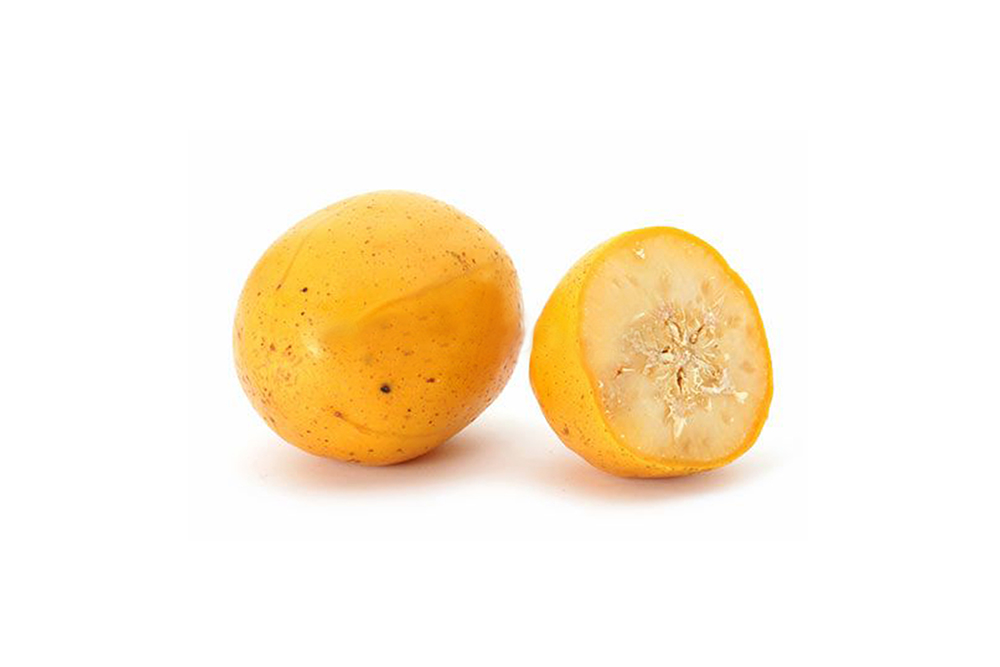
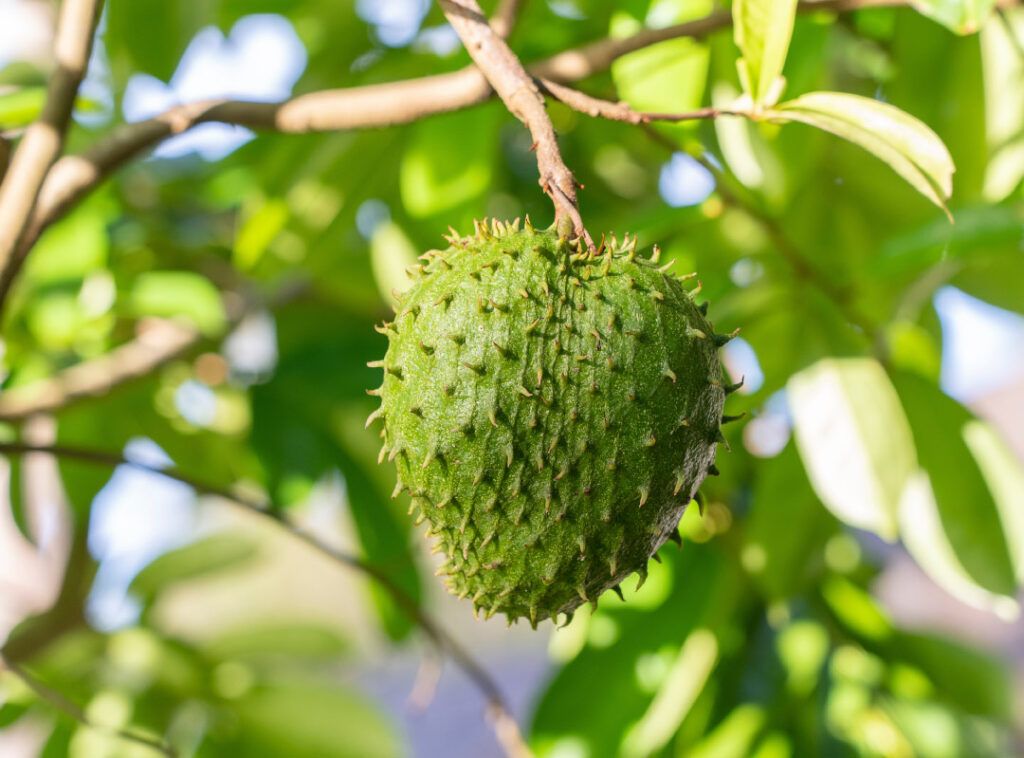
The June Plum tree (Spondias cytherea) is a tropical fruit tree that brings both ornamental beauty and delectable fruits to its surroundings. Characterized by its medium to large size, reaching heights of 30 to 40 feet, the tree boasts a long life span, offering years of fruitful abundance when properly cared for.
General Information

• Common Name: June Plum, Golden Apple, Ambarella

• Scientific Name: Spondias cytherea

• Plant Type: Tropical Fruit Tree

• Edible Parts: fruit (consumed in various forms), young leaves and shoots 

The June Plum tree (Spondias cytherea) is a tropical fruit tree that brings both ornamental beauty and delectable fruits to its surroundings. Characterized by its medium to large size, reaching heights of 30 to 40 feet, the tree boasts a long life span, offering years of fruitful abundance when properly cared for. Beyond its aesthetic appeal, the tree provides an array of health benefits through its rich content of vitamins, minerals, and antioxidants. With diligent care, the June Plum tree becomes a rewarding addition to any tropical or subtropical landscape, offering not just shade and visual appeal but also a source of delicious and nutritious fruits.
Medicinal Qualities

Holistic Health Benefits

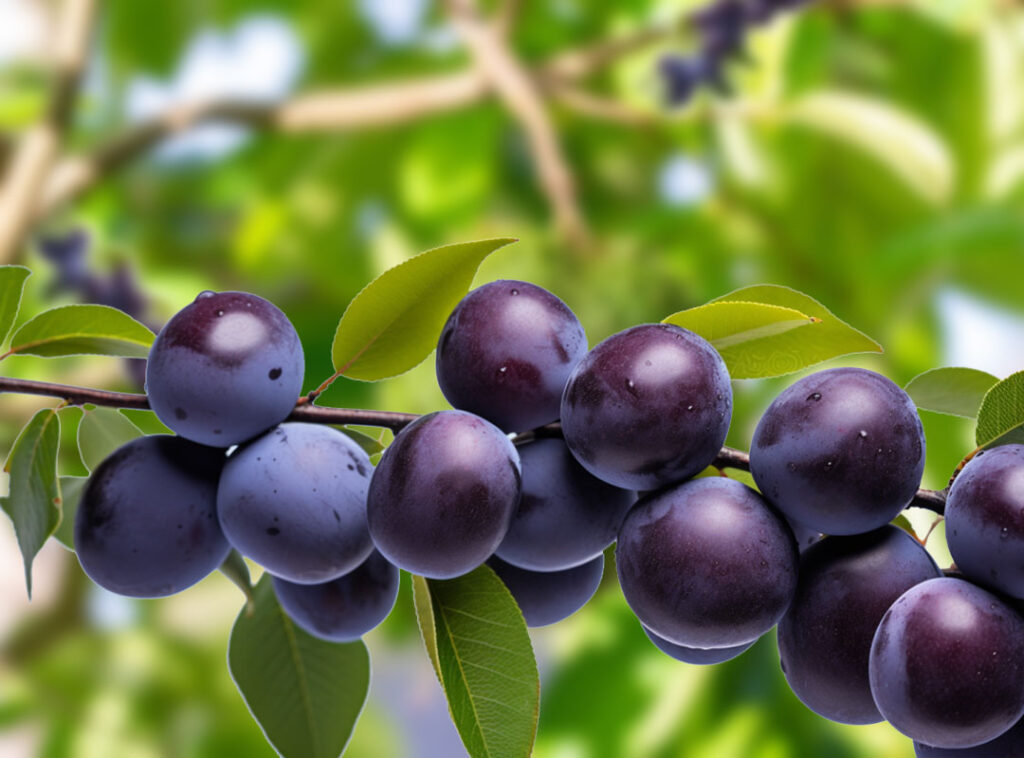
June Plum, scientifically known as Spondias cytherea, possesses several medicinal qualities that contribute to its holistic health benefits. The fruit is not only enjoyed for its sweet and tangy flavor but also valued for its potential health-promoting properties. June Plum is a good source of antioxidants, including vitamin C, which helps combat oxidative stress and may contribute to overall cellular health. The high vitamin C content in June Plum supports the immune system, helping the body defend against infections and illnesses. The fruit contains dietary fiber, aiding in digestion and promoting a healthy digestive system. Fiber helps prevent constipation and supports gut health. Some compounds in June Plum may have anti-inflammatory effects, potentially reducing inflammation in the body and providing relief for inflammatory conditions.

Chemical Properties and Holistic Functionality

The chemical properties of June Plum reveal a rich array of nutrients that contribute to its holistic functionality. Known for its antioxidant properties, vitamin C in June Plum supports the immune system, collagen formation, and helps protect cells from damage. The presence of dietary fiber contributes to digestive health by regulating bowel movements and promoting a sense of fullness, which may assist in weight management. June Plum contains various phytochemicals, such as polyphenols, flavonoids, and carotenoids, which contribute to its antioxidant and anti-inflammatory effects.

Potential Side Effects and Cautions

While June Plum is generally considered safe for consumption, there are some considerations to keep in mind. Individuals with known allergies to fruits should exercise caution when trying June Plum for the first time and monitor for any allergic reactions. As with any fruit, moderation is key. Excessive consumption may lead to gastrointestinal discomfort due to the fruit’s natural sugars and acids. The seed inside the fruit is not typically consumed and should be avoided, as it may contain compounds that can be toxic in large quantities.

It’s important to note that individual responses to foods can vary, and consulting with a healthcare professional is advisable, especially for those with existing health conditions or concerns. Incorporating June Plum as part of a balanced and varied diet can contribute to overall well-being, but it should not replace professional medical advice or treatment.

June Plum Fruits are consumable. Young leaves and shoots are used in culinary dishes.

The fruit is commonly eaten fresh, but can also be used in jams, chutneys, and beverages. The fruit has a sweet yet tangy taste. The young leaves and shoots are sometimes used in traditional medicine and culinary dishes.

Dietary Benefits

The dietary benefits of June Plum extend across various body systems, thanks to its rich array of vitamins and minerals. Here’s a detailed exploration:

Vitamin C for Immune Support

June Plum is a notable source of vitamin C (ascorbic acid), a crucial nutrient that plays a pivotal role in supporting the immune system. Vitamin C stimulates the production of white blood cells, enhances the activity of immune cells, and helps protect the body against infections and illnesses.

Vitamin A and B for Vision, Skin Health and Metabolism

June Plum contains vitamin A, which is essential for maintaining healthy vision and promoting skin health. Vitamin A is crucial for the proper functioning of the eyes, and it also plays a role in supporting the integrity of the skin. The fruit provides several B vitamins, including B1 (thiamine), B2 (riboflavin), B3 (niacin), and B6 (pyridoxine). These vitamins play key roles in energy metabolism, aiding in the conversion of food into energy and supporting the proper functioning of the nervous system.

Antioxidants for Cellular Protection

The fruit is rich in antioxidants, including various phytochemicals such as polyphenols and flavonoids. These antioxidants help protect cells from oxidative stress and damage caused by free radicals. By neutralizing free radicals, antioxidants contribute to cellular health and may help reduce the risk of chronic diseases.

Dietary Fiber for Digestive Health

The fruit is a good source of dietary fiber, which is essential for maintaining digestive health. Fiber adds bulk to the stool, preventing constipation and promoting regular bowel movements. A healthy digestive system contributes to nutrient absorption and overall well-being.

Harmony of Nutrients

Potassium is a vital mineral found in June Plum that contributes to cardiovascular health. It helps regulate blood pressure by balancing sodium levels, reducing the risk of hypertension and supporting overall heart function. June Plum contains iron, a mineral essential for the production of hemoglobin, the protein responsible for transporting oxygen in the blood. Adequate iron intake supports energy production and helps prevent conditions like iron-deficiency anemia. June Plum contains calcium and phosphorus, essential minerals for maintaining strong and healthy bones. Adequate intake of these minerals supports bone density and helps prevent conditions like osteoporosis.

Growing Guide

June Plum trees are medium to large-sized, reaching heights of 30 to 40 feet (9 to 12 meters) when fully mature. Consider the space available when planting to accommodate the tree's size.

These tropical fruit trees have a long life span, often living for several decades under favorable growing conditions. With proper care, a June Plum tree can be a fruitful addition to your landscape for many years.

June Plum thrives in full sunlight, requiring at least 6 to 8 hours of direct sunlight per day. Plant the tree in a location with ample sunlight exposure to promote healthy growth and fruit production.

Plant June Plum in well-draining soil with a slightly acidic to neutral pH. Sandy loam or loamy soils are ideal. Ensure good drainage to prevent waterlogging, which can be detrimental to the tree's root system

Provide regular watering, especially during dry periods. While June Plum trees are relatively drought-tolerant once established, consistent moisture is crucial for optimal fruit development. Water deeply but allow the soil to dry out between watering to prevent waterlogged conditions.

Category

What's Available

Our Location

The information provided here is intended for general knowledge and informational purposes only. It is not a substitute for professional medical advice, diagnosis, or treatment. Always seek the advice of your physician or other qualified health provider with any questions you may have regarding a medical condition. Never disregard professional medical advice or delay in seeking it because of information presented here.

Fostering connections – between people, nature, and culture

Farm

Fresh Produce

Plant Nursery

Jar Produces

Wholesale Vendors

Events

Private Bookings

Corporate Events

Children's Parties

Photoshoots/ Weddings

Tours

Full Farm Tour

Half day Tour

School Group Tour

Adult Group Tour

Q&A

About Us

FAQs

Contact Us

Terms & Conditions

© 2023 Down too Earth Adventure Farms  |  All rights reserved.
Powered by High Point Agency