
Macadamia Nut

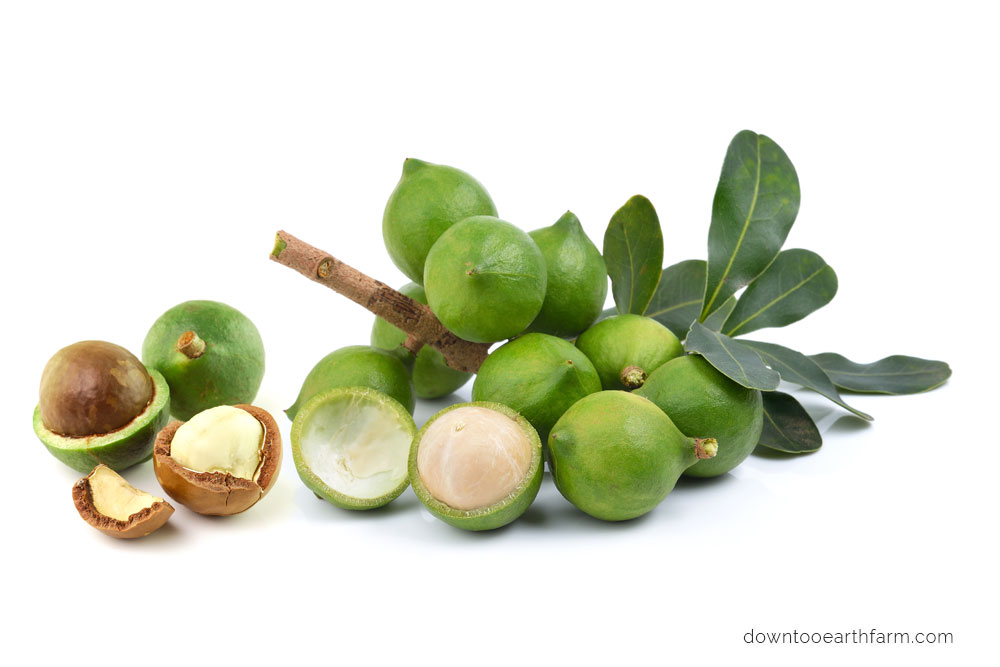
The macadamia nut tree, scientifically known as Macadamia spp., is an evergreen marvel celebrated for its delicious and buttery nuts. Their nuts, rich in monounsaturated fats, contribute to heart health, while antioxidants and essential minerals support overall well-being.
General Information

• Common Name: Macadamia nuts

• Scientific Name: Macadamia spp. (various species)

• Plant Type: Fruit Tree (botanically) Nut Tree (by definition)

• Edible Parts: Edible seeds (kernels), often found in a hard shell

This evergreen tree is renowned for its delicious and nutritious nuts. The macadamia nut tree stands out not only for its tasty nuts but also for its versatility and aesthetic appeal.

Medicinal Qualities

Holistic Health Benefits

Macadamia nuts, beyond their delectable taste, boast several medicinal qualities and holistic health benefits. These nuts are a rich source of monounsaturated fats, particularly oleic acid, which has been associated with heart health. The presence of antioxidants, such as tocopherols and squalene, contributes to the nut’s potential in reducing oxidative stress and inflammation in the body. In traditional and folklore medicines, macadamia nuts have been utilized for their holistic health benefits. Some traditional practices attribute anti-inflammatory properties to macadamia nuts, suggesting their potential in alleviating conditions related to inflammation. Additionally, the nuts are believed to support skin health and promote a radiant complexion due to their moisturizing effects.

Chemical Properties and Holistic Functionality

The chemical properties of macadamia nuts underscore their holistic functionality. The nuts are a source of essential nutrients, including vitamins like vitamin E, B vitamins, and minerals such as magnesium and potassium. Vitamin E, in particular, contributes to the antioxidant properties of macadamia nuts. The holistic functionality of these nutrients extends to supporting overall well-being, from skin health to the proper functioning of various bodily systems.

Potential Side Effects and Cautions

While macadamia nuts offer numerous health benefits, it’s essential to consider potential side effects and exercise caution. These nuts are calorie-dense due to their fat content, and excessive consumption may lead to weight gain. Additionally, individuals with nut allergies should be cautious, as macadamia nuts can trigger allergic reactions in some cases. As with any food, moderation is key, and it’s advisable for individuals with specific health conditions or concerns to consult with a healthcare professional before incorporating macadamia nuts into their diet.

Macadamia nut inner seed is consumable.

Macadamia nuts are commonly consumed as snacks, added to baked goods, or used in various culinary dishes. They can be enjoyed roasted, salted, or used in the form of macadamia nut butter. The nuts are rich in healthy fats and have a distinct creamy texture and a mildly sweet taste.

Dietary Benefits

Macadamia nuts offer a range of dietary benefits, making them a valuable addition to a balanced and nutritious diet. Packed with essential nutrients, these nuts contribute to overall well-being and support various body systems.

Heart Health

Macadamia nuts are rich in monounsaturated fats, particularly oleic acid. This type of healthy fat has been associated with cardiovascular health by helping to reduce levels of bad cholesterol (LDL) while maintaining or increasing levels of good cholesterol (HDL). Additionally, the nuts contain antioxidants that may contribute to a lower risk of heart disease by reducing oxidative stress.

Antioxidant Support

Macadamia nuts contain vitamin E, a potent antioxidant. Antioxidants play a crucial role in neutralizing free radicals in the body, which can contribute to aging and various diseases. Vitamin E, found in macadamia nuts, helps protect cells from oxidative damage, supporting overall cellular health.

Bone Health

The nuts provide essential minerals such as phosphorus, magnesium, and calcium. These minerals are vital for maintaining strong and healthy bones. Phosphorus is involved in bone formation, magnesium contributes to bone density, and calcium is a key component of bone structure. Including macadamia nuts in the diet can thus support bone health and reduce the risk of conditions like osteoporosis.

Nervous System Support

Macadamia nuts contain B vitamins, including thiamine (B1) and niacin (B3). These vitamins play a crucial role in supporting the nervous system. Thiamine is essential for nerve function, while niacin contributes to overall neurological health. Including macadamia nuts in the diet can help ensure proper functioning of the nervous system.

Metabolism and Energy Production

The B vitamins found in macadamia nuts also play a role in metabolism and energy production. Thiamine, in particular, is involved in converting carbohydrates into energy. Including macadamia nuts in your diet can contribute to sustained energy levels and metabolic efficiency.

Incorporating macadamia nuts into a well-balanced diet provides an array of vitamins and minerals that benefit various body systems. From supporting heart health to promoting strong bones and aiding in energy production, these nuts offer a delicious and nutritious way to enhance overall well-being. As with any food, moderation is key, and they can be enjoyed as part of a diverse and health-conscious diet.

Growing Guide

Macadamia nut trees are medium to large in size, typically reaching a height of 30 to 40 feet when mature. It's essential to provide ample space for their growth and spread.

Macadamia nut trees have a long life span, often exceeding 60 years. With proper care, they can be a fruitful and resilient addition to your garden for several decades.

Macadamia trees thrive in full sunlight. Ensure they receive at least 6 to 8 hours of direct sunlight daily for optimal growth and nut production.

These trees prefer well-draining soil with a slightly acidic to neutral pH. Sandy loam or loamy soil types are ideal. Adding organic matter can enhance soil fertility.

Provide consistent and deep watering for macadamia trees, especially during dry periods. However, they are sensitive to waterlogged conditions, so well-drained soil is crucial to prevent root rot.

Macadamia trees flourish in tropical and subtropical climates, making Zone 11 ideal for their cultivation. Ensure temperatures remain consistently warm without frost, as macadamias are sensitive to cold.

  • Plant macadamia trees in the early spring when the soil has warmed up. Space trees at least 15 to 20 feet apart to allow for proper growth and air circulation.
  • Use a balanced fertilizer, and apply it during the growing season. Macadamias benefit from a fertilizer with a higher potassium content to support fruiting.
  • Regular pruning is beneficial to shape the tree, remove dead or crowded branches, and improve air circulation. Prune during the dormant season in winter.
  • Macadamia nuts typically mature in late fall. Harvest when the outer husk begins to split, revealing the hard shell. Allow nuts to dry for a few weeks before cracking them open.

Category

What's Available

Our Location

The information provided here is intended for general knowledge and informational purposes only. It is not a substitute for professional medical advice, diagnosis, or treatment. Always seek the advice of your physician or other qualified health provider with any questions you may have regarding a medical condition. Never disregard professional medical advice or delay in seeking it because of information presented here.

Fostering connections – between people, nature, and culture

Farm

Fresh Produce

Plant Nursery

Jar Produces

Wholesale Vendors

Events

Private Bookings

Corporate Events

Children's Parties

Photoshoots/ Weddings

Tours

Full Farm Tour

Half day Tour

School Group Tour

Adult Group Tour

Q&A

About Us

FAQs

Contact Us

Terms & Conditions

© 2023 Down too Earth Adventure Farms  |  All rights reserved.
Powered by High Point Agency